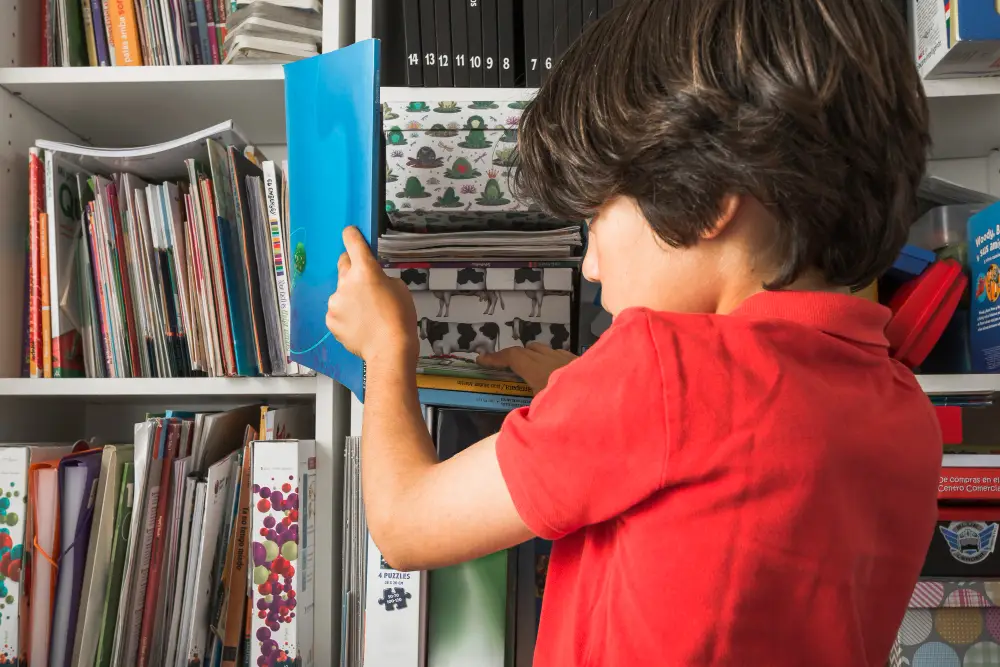
Choosing books for children sounds simple enough. Walk into a store, pick something with a nice cover, and call it a day. But any parent who has watched a book sit untouched on the shelf knows it’s not that easy. When you buy books for kids, you want to find ones they’ll actually read, ones that hold their attention and maybe teach them something along the way.
This guide helps you make smarter choices when you order kids books. You’ll learn what to look for, what to avoid, and how to match books to your child’s interests and reading level.
Why Book Selection Matters
Not all children’s books are created equal. Some are written with care, with stories that respect kids and characters that feel real. Others are thrown together to cash in on a trend. The difference shows up in how kids respond.
A well-chosen book can spark a love of reading that lasts for years. A poorly chosen one can make reading feel like a chore. When you take time to buy books for kids thoughtfully, you’re investing in their relationship with reading itself.
What to Look for When You Buy Books for Kids
There are a few things worth paying attention to every time you shop for children’s books.
Age-Appropriate Content
Books are generally labeled by age range, and those labels exist for a reason. A book aimed at toddlers will have board pages and simple words. A book for early readers will have short sentences and plenty of pictures. Chapter books for older kids will have longer narratives and fewer illustrations.
Match the book to where your child is right now. A book that’s too easy will bore them. One that’s too hard will frustrate them.
Stories That Reflect Real Emotions
Kids deal with big feelings every day. Fear, frustration, excitement, loneliness. Books that acknowledge these emotions help children feel seen. They also give kids language to talk about what they’re experiencing.
Look for stories where characters face problems and work through them. Even a story about a child learning to share or make a new friend can carry real emotional weight.
Characters Kids Can Connect With
The best children’s books have characters that feel like real people, even when they’re animals or fantastical creatures. Kids need to see themselves in the characters they read about.
Pay attention to how characters are written. Do they have strengths and weaknesses? Do they make mistakes and learn from them? These details matter.
Illustrations That Support the Story
For younger children especially, pictures carry as much meaning as words. Good illustrations help kids follow the story and provide context for unfamiliar words.
When you order kids books, take a look at the artwork. Does it add to the story? The best illustrations reward repeated readings.
Themes Worth Looking For
Some themes show up again and again in children’s literature because they resonate with kids at a deep level.
Kindness & Empathy
Stories about characters who show kindness, help others, or stand up for someone in need teach kids that their actions matter. These books help build social skills and emotional awareness.
Courage & Facing Fears
Kids face fears all the time, from the first day of school to the dark at bedtime. Books about characters who face their fears give kids a model to follow.
Problem-Solving & Creativity
Stories where characters think their way through challenges teach kids that problems have solutions. These books encourage kids to be resourceful.
Friendship & Belonging
Making friends and feeling like you belong are big concerns for children. Books that explore these themes help kids see that they’re not alone.
How to Involve Kids in the Process
One of the best ways to choose books kids will actually read is to let them have a say.
Let Them Browse
Give your child time to look around. Watch what catches their eye. Ask what kinds of stories they’re in the mood for.
Follow Their Interests
If your child loves dinosaurs, look for dinosaur books. If they’re into space, find stories set among the stars. Meeting kids where their interests already are makes reading feel relevant.
Build on What’s Worked Before
Pay attention to which books your child returns to again and again. What do those books have in common? Use that information to guide future purchases.
Where to Buy Books for Kids
You have more options than ever when it comes to ordering kids books.
Local bookstores let you browse in person and often have staff who can make recommendations. Online retailers offer wider selection and home delivery. Used book sites help you build a library on a budget. Libraries let you try before you buy.
Building a Home Library Over Time
You don’t need to buy everything at once. Start with a few books that match your child’s current interests and reading level. Add more as they grow.
Rotate books on and off the shelf to keep things fresh. Pass along books your child has outgrown to younger family members or donate them.
When you buy books for kids with intention, you create a home where reading is normal and accessible. That environment matters more than any single book you choose.