
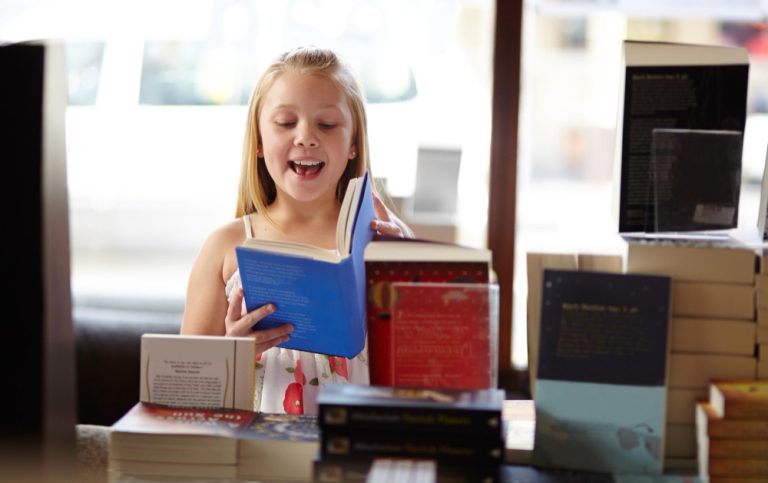
Building a library for children, at home or in a school setting, takes some planning. The good news is that ordering kids books has never been easier or more flexible. There are more options than most people realize, and knowing the differences between them helps you make better decisions about where to spend your money and time.
Ordering for a Home Library Versus a School Library
The needs are different, and so are the best approaches. Home libraries tend to prioritize emotional connection and personal interest. School and classroom libraries need to cover broader ground, serve multiple readers, and hold up to heavier use.
Knowing which context you are buying for upfront helps you make the right calls on format, quantity, and source.
Ordering Kids Books Online
Direct From Author or Publisher Websites
Ordering from an author or publisher website is worth doing at least occasionally. You often get access to signed copies, limited editions, or companion materials that retailers do not carry. For books where the author has a specific educational or therapeutic background, the website sometimes includes teacher guides, activity sheets, or reading group prompts that add real value to the purchase.
This is especially relevant when you are building a home library around specific themes, like emotional development, kindness, or problem-solving, and you want resources that go beyond the book itself.
Amazon & Major Retail Platforms
For convenience and selection, Amazon remains the most widely used platform for ordering kids books. The review system helps you evaluate titles quickly, and the ability to order multiple books in a single transaction makes it efficient when you are stocking up.
For school libraries, Amazon Business accounts offer additional features like tax exemption and consolidated billing, which can simplify the purchasing process for educators managing a budget.
Subscription Box Services
Several subscription services send curated kids books to families on a monthly basis. These are worth considering if you want to regularly add new titles without having to research each one. Most services let you customize based on age range, and some ask about interests or reading level to personalize the selections.
The downside is less control over the individual titles. If your child has specific needs or you are building around a particular theme, handpicking books yourself gives you more precision.
Ordering in Bulk for Schools & Classrooms
Working With Educational Distributors
Educational distributors like Follett, Mackin, and Scholastic Book Clubs exist specifically to serve schools and libraries. They offer discounts on large orders, catalogues organized by reading level and subject area, and sometimes free setup or consultation for new collections.
Book clubs through Scholastic are worth noting for classroom teachers in particular. They offer points with each purchase that can be redeemed for free books, which is a practical way to grow a classroom library over time without additional budget.
Requesting Donations & Grants
Many schools supplement their book purchasing through donations and grant programs. Organizations like First Book and Reading Is Fundamental provide discounted or free books to schools serving lower-income communities. Local community foundations and businesses also sometimes fund classroom library requests when a teacher submits a proposal.
DonorsChoose is another platform where teachers can post specific book requests and have them funded by individual donors. This works well for building around a specific theme or curriculum need.
Choosing the Right Formats When Ordering
Hardcover for Libraries
Hardcover books hold up to repeated borrowing and returning far better than paperbacks. For any book that will be read by multiple children over time, hardcover is worth the extra cost. It also sends a message to children that these books are worth treating with care.
Paperbacks for Take-Home Reading
If you are sending books home with students or creating a take-home reading program, paperbacks are more practical. They are less expensive, which reduces the concern if a book is not returned, and they are lighter for children to carry.
Digital & Audio Options
E-books and audiobooks are increasingly part of how children consume stories. For school libraries, platforms like OverDrive or Sora provide access to digital collections that multiple students can borrow simultaneously without physical copies. For home use, audio versions of picture books can support early literacy when a parent is not available to read aloud.
Organizing What You Order
Cataloguing for Schools
Any school library order should be catalogued from the start. Simple systems like a spreadsheet tracking title, author, reading level, and location work fine for small collections. Larger collections benefit from library management software, many of which are free or low-cost for schools.
Labeling books by reading level or theme makes them easier for students and teachers to locate without needing help every time.
Organizing at Home
Home libraries do not need elaborate organization, but some systems help. A few parents organize by mood or purpose: calming books, funny books, books for hard days, books for curious days. Others organize it by the child’s interest areas. What matters is that the system makes sense to the child and allows them to find what they want on their own.
Keeping the Collection Growing
No library is finished. The best collections grow steadily over time, adding new titles as children get older and as new books worth owning get published. Setting a small monthly or quarterly book budget is an easy way to keep adding without it feeling like a big expense.
Watching for author websites, school newsletters, and library recommendations keeps you aware of new titles worth considering. And as your child’s interests shift, the collection can shift with them. That responsiveness is part of what makes a library feel alive rather than static.