
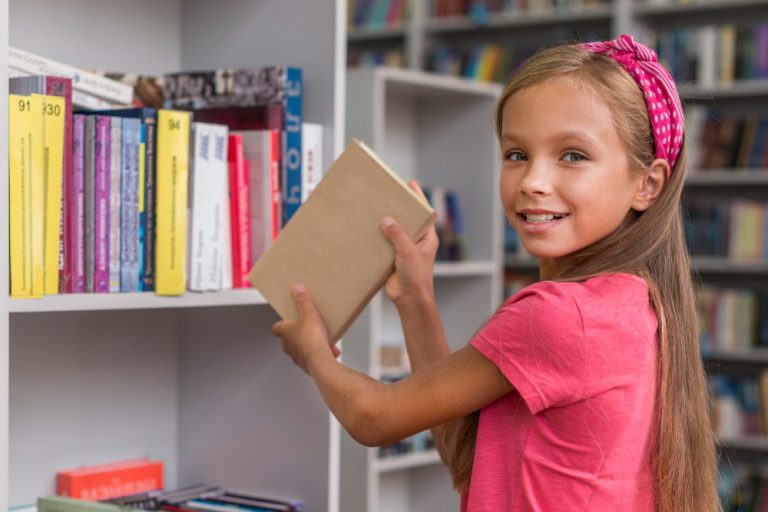
Not every kids book earns a permanent spot on the shelf. Some get read once and forgotten. Others become the ones your child asks for night after night, worn at the corners and full of dog-eared pages. The difference is not always obvious from the cover, but there are some consistent things that set the books worth keeping apart from the ones that do not last.
What Actually Makes a Kids Book Beautiful
Beautiful kids books are not just the ones with pretty pictures, though illustrations matter a lot. The books that really land with children are the ones where the story, the artwork, and the message work together in a way that feels complete. When those things line up, even a short picture book can leave a lasting impression.
Illustrations That Do More Than Decorate
In the best picture books, the illustrations tell part of the story on their own. A child who cannot yet read can still follow the emotional arc of a book through expressions, color, and detail in the artwork. That is why the quality and intention behind the illustrations matter so much.
Look for books where the artwork adds something that the words alone would not convey. Characters whose faces show real emotion, scenes that give a sense of place, and details in the background that reward closer looking are all signs that an illustrator put real thought into the work.
Stories That Feel Honest
Kids are more perceptive than adults often expect. They can tell when a story feels contrived or when the lesson is being pushed too hard. The books that children gravitate toward tend to have stories that feel genuine. The characters face real problems, the emotions are recognizable, and the resolution does not feel forced.
A story about kindness works better when it shows a child making a genuine choice in a difficult moment, rather than simply telling the reader to be kind. The emotional truth of a story is what makes it beautiful in a lasting way.
Types of Kids Books Worth Adding to the Shelf
Picture Books With Artistic Illustration Styles
Some picture books are notable specifically for their illustration style. Watercolor-based artwork gives stories a soft, warm feeling that suits quieter themes. Bold, graphic illustration styles work well for stories with more energy and movement. There is no single approach that is better than another, but it is worth noticing what your child responds to visually, since that often reflects their temperament and interests more broadly.
Books Built Around Emotional Themes
Books that deal with emotions, things like learning to ask for help, handling conflict with others, or building confidence in yourself, tend to stay relevant for a long time. Children revisit these books as they grow and encounter new situations where the themes apply again. A book about friendship that resonated at age four can hit differently at age seven when friendships get more complicated.
Books That Reflect a Child’s Own Experience
Representation matters in children’s books, not only in the sense of seeing characters who look like them, but also in the sense of seeing situations that mirror their own life. A child who has a pet, a sibling, or a new challenge at school will naturally connect with a story that involves those things. That connection is part of what makes a book feel personally valuable rather than generic.
How to Identify Quality Before You Buy
Check the Reception From Educators & Counselors
Books that earn consistent praise from teachers, librarians, and child counselors have usually been evaluated beyond just their entertainment value. When a book is recommended in educational or therapeutic contexts, it typically means the content is doing something meaningful for children developmentally. That kind of endorsement is worth taking seriously.
Read the Book Yourself First
If you can read a book before buying it, do. A few pages in, you can usually tell if the writing is engaging, if the pacing works, and if the message is handled with care rather than being heavy-handed. Buying books you have actually read means fewer books on the shelf that never get opened.
Look at Production Quality
Hardcover bindings hold up to repeated reading. High-quality paper stock means the colors stay true and the pages do not yellow quickly. These things might seem minor, but a book that falls apart after twenty reads does not get the chance to become a favorite. Spending a little more on a well-made book often pays off in the long run.
Organizing a Shelf Your Child Will Actually Use
The way books are displayed makes a difference. Forward-facing shelves, where kids can see the cover instead of just the spine, make books more inviting. Keeping the shelf at a height the child can reach on their own encourages independent browsing.
A smaller, rotating selection tends to work better than shelving every book at once. When there are fewer books to choose from, children spend more time with each one. Swapping books in and out every few weeks keeps the shelf feeling new without requiring you to buy anything.
Some families organize by theme or mood rather than by author or title. Calming bedtime books in one spot, books for days when a child needs encouragement in another. That kind of organization helps a child find what they need without much help from an adult.
Giving Books as Gifts
A well-chosen book is one of the most lasting gifts a child can receive. When giving a book as a gift, it helps to know something about the child’s interests and what they are working through at their current age. A book chosen with that in mind is far more likely to be loved than one picked at random from a bestseller list.
Including a short note inside the cover about why you chose the book adds a personal touch that the child might appreciate years later, long after the occasion itself has been forgotten.