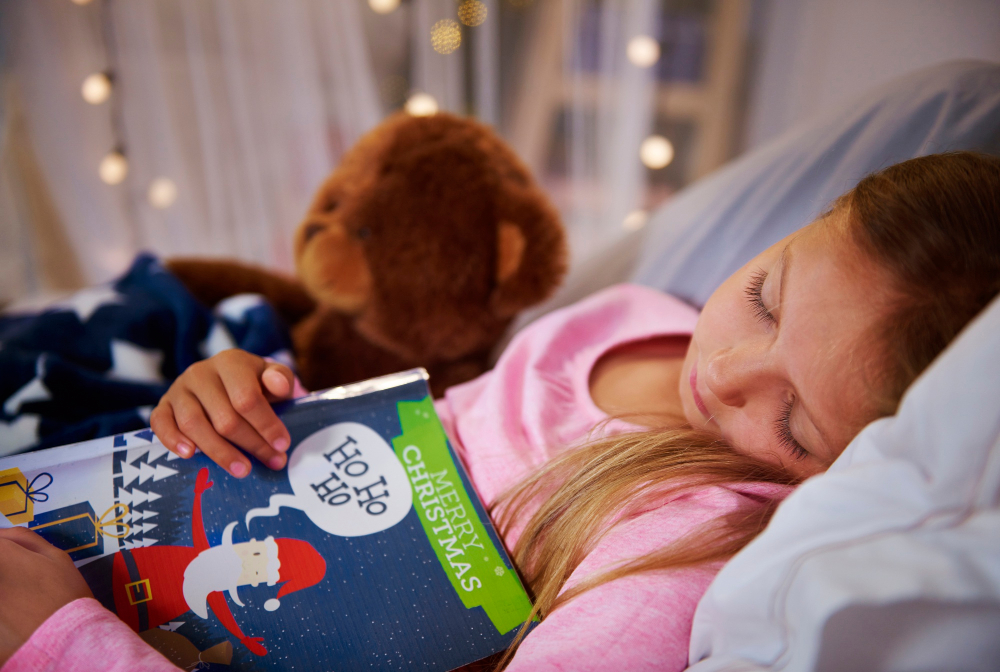
There’s a particular kind of magic in a good bedtime story. The lights go low, the kid settles into the covers, and for ten or fifteen minutes the whole world narrows down to a voice, a few pictures, and a story unfolding at a slow, gentle pace. Bedtime stories for kids aren’t just a routine. They’re one of the most reliable ways to help a child wind down, feel safe, and slide into sleep.
The right bedtime story does something specific. It calms instead of revs up. It comforts instead of stimulates. And it ends in a way that lets the kid close their eyes without wanting to know what happens next. Getting these elements right matters more than people sometimes realize.
Why Bedtime Stories Work
Sleep is harder than it looks for a small kid. Their bodies are tired but their minds are still running through the day. They had a thought about lunch. They remembered a thing the teacher said. They want to know what happens tomorrow. A bedtime story gives all that mental activity a single thing to focus on, and that focus is the bridge to sleep.
There’s also the matter of safety. Kids need to feel safe before they can fall asleep. A bedtime story with a parent close by sends a clear signal that everything is okay, that the people who take care of them are right there, and that the day is winding down on a gentle note.
The Brain on a Story Before Sleep
When a child listens to a story, their breathing slows. Their muscles relax. Their attention narrows. These are all the same physical changes that happen as the body prepares for sleep. A good bedtime story essentially walks the kid into sleep through the side door.
What Makes a Story Right for Bedtime
Not every kids’ book belongs at bedtime. Some are too exciting. Some are too funny. Some have endings that leave the kid asking questions. The right bedtime story has its own qualities.
A Gentle Pace
Look for books where the sentences are unhurried. The pages should feel like they have room to breathe. A book that races from event to event will leave a kid more wound up than they started.
A Soft Emotional Tone
Bedtime is not the moment for scary, sad, or intense stories. Save those for daytime. The bedtime book should feel warm and safe. The emotions in it should be gentle. A character who is happy, or peacefully tired, or quietly content, sets the right mood.
An Ending That Closes
The best bedtime stories end with a clear closure. The character goes to sleep. The day ends. The friends say goodnight. The kid hearing the story unconsciously follows the cue and starts to settle themselves.
Repetition & Rhythm
Stories with repeating phrases or rhythmic language work especially well at bedtime. The rhythm itself is calming, and the repetition gives the kid something to anchor to. They start to predict the next line, and that prediction is comforting.
Themes That Work Well for Bedtime
Some story themes belong at bedtime more than others.
Going to Sleep
The most literal category. Books about characters who are getting ready for bed. Saying goodnight to objects in the room. Tucking in stuffed animals. Closing the curtains. These stories model the bedtime routine and make it feel familiar.
Quiet Adventures
Stories with gentle, slow movement. A walk through the woods at dusk. A boat ride on a calm lake. A trip to the moon and back. The kind of adventure that doesn’t feel adrenaline-heavy. The kid can come along without getting too excited.
Comfort & Being Cared For
Stories where a small character is held, hugged, fed, or tucked in. These reinforce the feeling of safety that the kid needs to slide into sleep. They also let the kid imagine themselves in the same position.
Animal Mothers & Babies
Mother animals caring for their young is a classic bedtime theme. It taps into something deep in the kid’s brain about being looked after. Books that show a bear cub being settled by a mother bear, or a baby bird tucked into a nest, work beautifully at this hour.
What to Skip at Bedtime
Save these for other reading times.
Funny Books That Make the Kid Laugh Out Loud
Laughter is great for daytime. It’s terrible for bedtime. A kid who has just laughed hard is in no mood to sleep. Save the silly books for the afternoon.
Books With Cliffhangers
Anything that ends on a question or a “to be continued” will leave the kid’s brain spinning. They’ll lie there wondering. They’ll get up to ask. Save these for the morning.
Scary or Intense Stories
Even mildly scary stories can shift to actually scary at bedtime. The dark, the quiet, the kid’s own imagination. All of it amplifies whatever was in the story. Pick books that don’t have spooky elements at all.
Action-Heavy Stories
Books with lots of chasing, fighting, or fast movement get the kid’s blood going. Not what you want before sleep.
Reading Bedtime Stories Well
The choice of book matters. So does the way you read it.
Slow Your Voice Down
Bedtime is not a time for animated reading. Slow down. Drop your voice a little. Let the pace feel sleepy. The kid will match your energy.
Sit Close
Physical closeness matters at bedtime. Sit on the bed. Lean in. Let the kid be tucked against you or under a heavy blanket. Touch is part of the calming effect.
Lower the Lights
Read by a soft lamp, not the overhead light. The dimness signals sleep is coming. Some families use a small reading light just for this.
Don’t Rush to Finish
If you’re tired and the kid is tired, slow down anyway. A rushed reading defeats the purpose. The point isn’t to get through the book. The point is to wind down. If you fall asleep before they do, that’s almost a win.
Building a Bedtime Story Collection
Keep a separate set of books just for bedtime. Maybe ten or twelve titles in a basket by the bed. These should be the ones that meet all the criteria above. Calm, soft, slow, with closure.
Rotate them but not too fast. Kids like familiar books at bedtime. The same book three nights in a row is fine. The same book for two weeks straight is also fine. The familiarity is part of the comfort.
Add new ones occasionally, but be picky. Not every cute book belongs in this collection. Test a new one during daytime before adding it to the bedtime rotation. Make sure it ends right.
When Bedtime Stories Help With Sleep Troubles
Some kids struggle with bedtime. They resist, they stall, they call out for one more thing. A solid bedtime story routine can help cut through some of this.
The story becomes part of the closing ritual. The kid knows it’s coming. They know what comes after. Predictability lowers anxiety, and bedtime anxiety is a real thing for many kids.
If your kid is having a hard time falling asleep, try lengthening the story window. Read two books instead of one. Let the kid pick. Read slowly. Don’t pressure them to fall asleep. The reading itself does the work.
When the Story Ends
Have a closing routine after the story. A goodnight, a kiss, maybe a short song or a few quiet words. Then the lights go off. The kid should know exactly what happens after the story ends. No surprises at bedtime.
If they ask for one more story, you can negotiate or hold the line. Many families have a strict one-book rule. Others have a two-book rule. Whatever you pick, be consistent. Inconsistency at bedtime makes things harder for everyone.
The Long-Term Gift
Years from now, your kid won’t remember every story you read. But they’ll remember the feeling. They’ll remember being read to in low light. They’ll remember the rhythm of your voice. They’ll remember the closeness. That memory will become part of how they associate sleep with safety, and that’s a gift that lasts a lifetime.
There’s something quietly beautiful about taking ten minutes out of every evening, no matter how rough the day, to read a kid a story before bed. It’s a small ritual, but it builds something big over time. Pick the right stories, read them with care, and watch how those small evenings add up.