
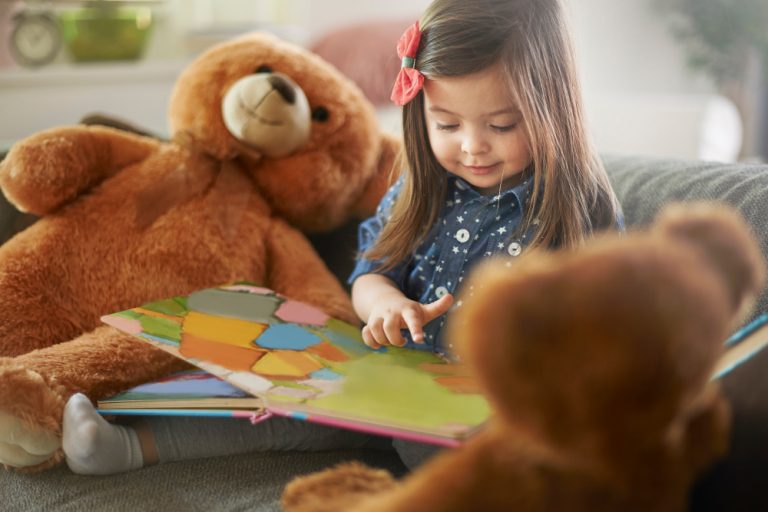
Preschoolers are sponges. Anything you put in front of them, they absorb. That’s a beautiful thing and a slightly scary thing, because it means the books they read at this age really do matter. The right kids books for preschoolers can help build the skills that show up later in kindergarten, in social settings, and in how the kid handles their own feelings.
But here’s the thing. The skills don’t get built because the book has the word “educational” stamped on the cover. They get built because the kid loves the book and reads it over and over and over again. That’s the real engine. A book that gets read three times because it’s “good for them” does less work than a book that gets read thirty times because the kid is in love with it.
What Counts as an Early Skill at This Age
Before we talk about books, it helps to know what we’re actually aiming at. Preschool is a learning-rich period, but the skills aren’t quite the same as the ones that come in elementary school.
Language & Vocabulary
This is the big one. Preschoolers are picking up words at a wild pace. The more words they hear, the more they know. Books bring in vocabulary that doesn’t come up in everyday conversation. Words for weather, for emotions, for animals they’ve never seen, for places they’ve never been.
Early Literacy
This means recognizing letters, knowing that print carries meaning, knowing that pages turn in a certain direction, learning that words go left to right. None of this needs to be taught directly. It just gets absorbed through regular book time.
Listening & Attention
Sitting still for a story is itself a skill. It builds the kind of focus that will help later in classrooms. Preschoolers who get regular read-alouds tend to be better at listening to instructions and following sequential directions.
Emotional Naming
Knowing the difference between sad and disappointed. Between angry and frustrated. Between excited and nervous. Books are one of the best places to pick up this vocabulary, because characters have feelings that get named on the page.
Social Skills
Books model how to act around other people. How to share, how to apologize, how to wait your turn, how to be a friend. Kids absorb these scripts from stories and try them out in real life.
Imagination
Pretending is huge at this age. Books fuel it. After a good book, kids will play out the story for days, taking it new directions, mixing it with other stories. That’s not just play. That’s deep cognitive work happening.
What to Look For in Books That Build These Skills
Not every book builds skills equally. Here’s what to look for.
A Storyline With Cause & Effect
The character did something, and then this happened, and then they tried something else. This kind of structure teaches kids that actions have consequences and that stories have logic. Skip books that are just a series of unconnected events.
Real Emotional Content
Books that show characters feeling things, dealing with those feelings, and coming out the other side. Skip books that pretend feelings don’t exist or wrap up emotions too tidily.
Vocabulary Worth Catching
A book that uses a few words slightly above the kid’s everyday level is doing skill-building. A book written in nothing but everyday words is fine, but it’s not stretching anything.
Pictures That Match the Text
The art shouldn’t just decorate. It should add to the story. Kids who study the pictures while listening are doing extra cognitive work, and they’re learning to read visual information, which matters for all kinds of literacy later.
Categories Worth Having in the Home Library
A mix is best. Here are a few categories that pull their weight.
Picture Books With Strong Stories
The classic. Twenty to forty pages, character, problem, resolution. These are the books that build narrative skill and emotional vocabulary at the same time.
Books About Feelings
A separate genre. These zero in on a single feeling and explore it. They build the emotional naming skill that helps preschoolers handle their own emotions better.
Books About Everyday Situations
The first day of preschool. Going to the doctor. A new baby. These prepare kids for upcoming experiences and reduce anxiety about new things.
Books About Kindness & Friendship
These do social skill work. They show kids what good friendship looks like, what kindness looks like in action, what to do when feelings get hurt.
Concept Books
Colors, numbers, opposites, shapes. Good for the younger end of preschool, but even older preschoolers like revisiting them.
Wordplay & Rhyme
Books with strong rhythm and rhyme build phonological awareness, which is one of the strongest predictors of later reading skill. They also feel good to read aloud.
Books About the Natural World
Stories about animals, plants, weather, the seasons. These build science vocabulary and connect kids to the world around them. Bonus skill: they create curiosity, which fuels learning across the board.
How to Read for Maximum Skill-Building
A book is a tool, but how you use the tool matters.
Read With Expression
Match your voice to the story. Use different voices for different characters. Sound excited at exciting moments, sad at sad ones. This makes the story come alive and teaches kids about prosody, which they’ll use in their own reading later.
Stop & Talk About Pictures
Point at things. Ask what they think is happening. Wait for them to respond. Don’t quiz them. Just notice things together.
Use New Words Again Later
If the book introduced the word “puzzled,” try to use it again in conversation that day. Repeated exposure cements vocabulary far better than one-time exposure.
Let Them Re-Tell the Story
After reading, let them tell it back. This builds memory, narrative skill, and confidence. Don’t correct them if they get it wrong. The goal is fluency, not accuracy.
Read the Same Book Until They’re Done With It
The hundredth read of a beloved book is doing more skill work than the first read of a brand new one. Familiarity lets the kid notice new things each time. Don’t rush them past a book they love.
Common Mistakes to Avoid
A few things parents do that don’t help.
Pushing Reading Too Early
Some kids will start picking out words at four. Others won’t until six or seven. Don’t push. The kid who reads at four doesn’t end up smarter. They just got there first. What matters is loving books, not reading them early.
Choosing Books Based on Awards or Labels
Lots of award-winning books are great. Some are gorgeous but don’t really connect with kids. Trust your kid’s reactions more than the gold stickers on the cover.
Making Book Time Feel Like School
If reading feels like a lesson, kids start to resist. Keep it light. Keep it fun. The skills are happening underneath. They don’t need to be highlighted.
Reading Only Books at One Level
Mix it up. Some books that are easy. Some that stretch the kid a little. The variety itself builds skill.
When to Add New Books
You don’t need to be constantly buying new books. Rotate. Let some books rest on the shelf for a few months and then bring them back. Kids love the rediscovery, and the book feels new again.
Add a few new ones every birthday or holiday. Pick books that match your kid’s current interests. If they’re obsessed with dinosaurs, find good dinosaur books. If they’re into bugs, find good bug books. Riding their interests builds skills faster than fighting them.
A Library Card Is Your Best Friend
The library lets you try books before committing. Bring home ten at a time. The ones your kid asks to read again, buy those. The ones they ignore, return them with no regrets. This is how you build a home library that’s actually used.
Most libraries also have story times for preschoolers. These are worth attending. Kids learn about being read to in a group setting, which is its own skill, and they see other kids excited about books.
The Point of All This
Preschool is when the foundation gets laid. Not the foundation for reading necessarily. The foundation for loving books, for thinking in stories, for caring about characters, for knowing that words on a page can take you somewhere. That foundation, once it’s there, supports everything that comes later.
The best kids books for preschoolers do this work without ever feeling like work. They feel like fun. They feel like cuddles. They feel like a small adventure before bed. The skills build themselves underneath, quietly, while everyone is enjoying the story.
That’s the trick. Pick books your kid loves. Read them often. Talk about them lightly. Let the rest take care of itself. The skills will be there when the kid needs them, built up over hundreds of small reading moments, ready to support everything they do next.