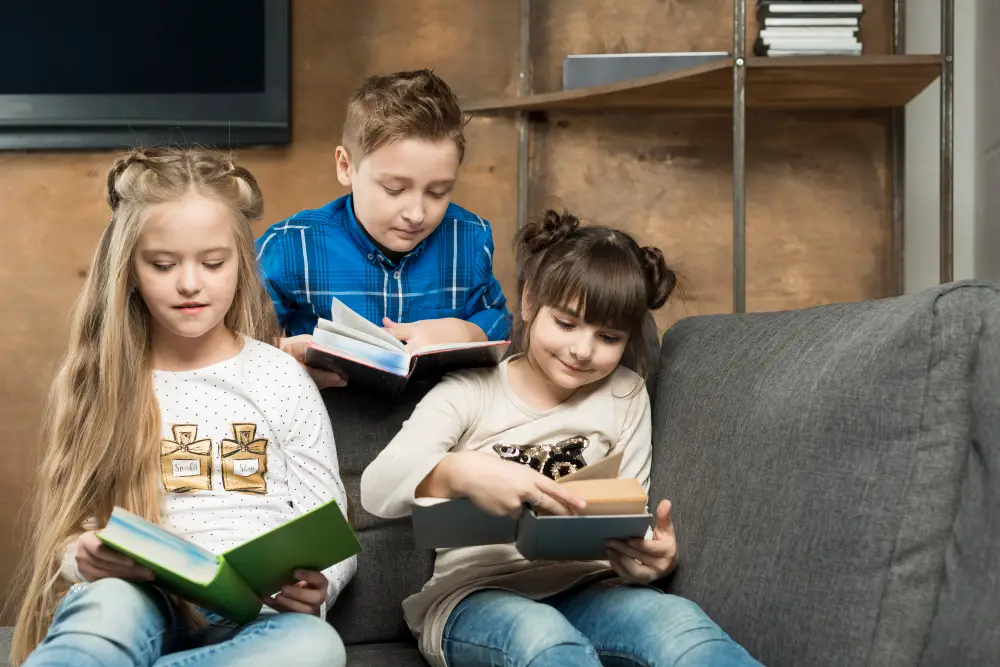
Learning to read is one of the biggest milestones in a young child’s life. But getting there takes practice, patience, and plenty of support. That’s where kids books come in. These read-along books give children the chance to hear the words while following along on the page, building their skills and their confidence at the same time.
Read-along books have been around for decades, from the old cassette tape sets to today’s digital options. The format has changed, but the idea remains the same: let kids hear fluent reading while they see the words in front of them.
How Read-Along Books Help Young Readers
When a child listens to a book being read while following the text, several things happen at once. They hear how words are supposed to sound. They see how sentences flow from one to the next. They start to connect the letters on the page with the sounds they’re hearing.
Kids books that read to you take some of the pressure off early readers. Instead of struggling through every word alone, children can enjoy the story while learning at the same time. They can pause, rewind, and listen again as many times as they want.
Building Fluency Through Repetition
One of the biggest benefits of read-along books is repetition. Kids can listen to the same story over and over, and each time, they pick up something new. They start to recognize words automatically. They learn the rhythm and pacing of sentences.
Supporting Different Learning Styles
Not all kids learn the same way. Some are visual learners who need to see the words. Others are auditory learners who need to hear them. Kids books that read to you serve both at once. For children who struggle with traditional reading instruction, read-along books can be a game changer.
Types of Kids Books That Read to You
Read-along books come in many forms today.
Traditional Book & Audio Sets
The classic approach pairs a physical book with an audio recording. Some include a CD, while others come with a code to download the audio.
Digital Read-Along Apps
Plenty of apps now offer read-along functionality. The text highlights as the audio plays, showing kids exactly which words are being spoken. Just be mindful of screen time and balance digital reading with physical books.
Interactive Books with Built-In Audio
Some books come with buttons or panels that play audio when pressed. This format is especially popular with preschoolers and early readers who like hands-on activities.
Choosing the Right Read-Along Books
Not every read-along book is a good fit for every child. Age, interests, and reading level all matter.
Match the Reading Level
A read-along book should be slightly above your child’s current reading ability. If it’s too easy, they won’t be challenged. If it’s too hard, they’ll tune out.
Follow Their Interests
Kids are more motivated to read when the subject interests them. If your child loves animals, look for read-along books about pets or wildlife. If they’re into adventure, find stories with characters who face challenges.
Look for Stories with Heart
The best kids books that read to you do more than teach reading skills. They tell stories that matter. Look for books with characters who show kindness, face fears, or learn from mistakes.
Making the Most of Read-Along Time
Having kids books that read to you is just the beginning.
Sit Together When Possible
Even though read-along books are designed for independent use, sitting with your child adds value. You can point out words, ask about the story, and share the experience.
Encourage Them to Read Along Out Loud
At first, your child might just listen. But as they get more comfortable, encourage them to read along with the audio. They can start by joining in on repeated phrases.
Talk About the Story
After the book is done, ask your child about it. What did they like? How did the characters handle problems? These conversations help kids think more deeply about stories.
The Role of Read-Along Books in a Larger Reading Routine
Kids books that read to you are a tool, not a replacement for other reading activities. They work best as part of a balanced approach that includes independent reading, reading with a parent or caregiver, and listening to books read aloud. Some nights, your child might use a read-along book on their own. Other nights, you might read together. The variety keeps things interesting.
When to Move Past Read-Along Books
As your child grows more confident, they’ll need less support from audio. You’ll notice them reading ahead of the recording or finishing books without turning on the sound. When this happens, celebrate it. That doesn’t mean read-along books disappear entirely. Even older kids enjoy listening to audiobooks while following along in print.
Creating a Lifelong Love of Reading
The goal of read-along books is not just to teach kids how to read. It’s to help them want to read. When reading feels accessible and enjoyable, children come back to it again and again.
Kids books that read to you give young readers a way in. They lower the barriers, reduce frustration, and let children experience the joy of stories before they’ve mastered every skill. That early joy is what sticks. It’s what turns a struggling reader into a confident one and a reluctant reader into an eager one. Investing in read-along books now sets your child up for success later.