
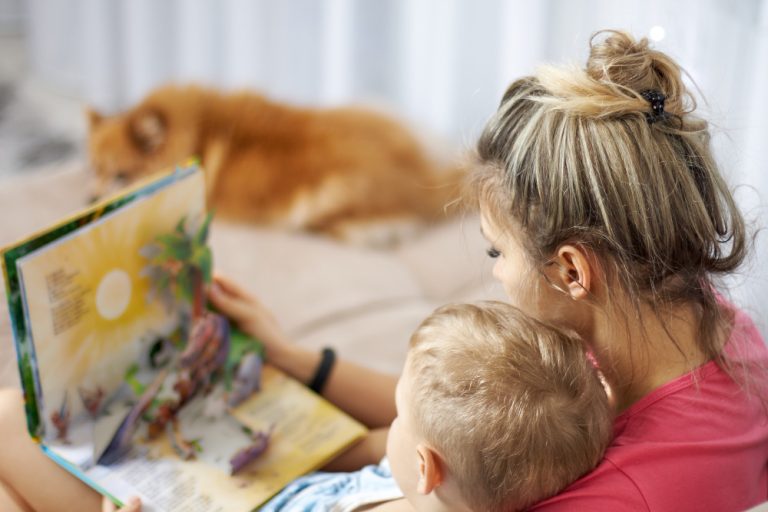
Toddlers and animal stories are a match made in heaven. Two-year-olds who barely sit still for anything will plant themselves on your lap for a story about a duck. Three-year-olds learn the names of animals before they learn most other words. Animal characters open a door into reading and lessons that nothing else really matches at this age.
The trick is finding short animal stories that fit a toddler’s attention span and still pack a real lesson. Here is what works, what to look for, and how to use these little reads to teach big ideas.
Why Animal Stories Work So Well for Toddlers
Pulling a toddler into a story is half the battle. Animal characters do that work without breaking a sweat.
Toddlers Are Wired for Animals
Babies and toddlers are drawn to animal faces and sounds before they care about almost anything else. Books with animal characters tap into that built-in interest from page one.
Animals Make Lessons Feel Safe
A story about a kid being mean might feel too heavy for a 2-year-old. A story about a bunny being a little selfish lands soft. The animal layer gives toddlers space to think about the feeling without it hitting too hard.
Short Format Fits Their Brain
Toddlers can sit for two or three minutes, not twenty. Short animal stories that wrap up quickly fit how their attention actually works.
What Makes a Good Animal Story for Toddlers
Not every animal book is built for this age. The ones that work share a few traits.
Big, Clear Pictures
Toddlers read pictures before they read words. Big animal faces, clear action, and warm colors do most of the storytelling.
Few Words Per Page
A toddler book with paragraphs of text loses kids fast. Short sentences, repeated phrases, and lots of room for the art work way better.
A Tiny Plot
The story does not need to be deep. A bunny gets lost and finds his way home. A duck shares a pond. Tiny plots are exactly right for tiny attention spans.
A Lesson That Feels Soft
Toddlers cannot handle heavy moral lessons. A small kindness, a quick share, a tiny act of bravery is plenty. The lesson should feel like a wink, not a sermon.
Animal Stories That Teach the Right Toddler Lessons
Different kinds of animal stories teach different things. A mix on the shelf covers a lot of ground.
Sharing Stories
A squirrel with too many acorns. A bear with a basket of berries. Toddlers love stories where a character shares something and feels good about it. Plants the seed early.
Asking for Help Stories
A duckling lost from his mom. A kitten stuck in a tree. Stories where a small animal asks a bigger animal for help teach toddlers that asking for help is a smart move.
Being Kind to Smaller Friends Stories
A big elephant playing gently with a little mouse. A dog being soft with a baby chick. These stories teach toddlers to be careful and kind with anything smaller than them.
Being Brave Stories
Tiny bravery is the right kind for toddlers. A turtle trying a new pond. A bunny saying hello to a new neighbor. Small acts of courage they can copy in their own small ways.
Bedtime Animal Stories
Animals settling in for the night work as both a story and a sleep cue. A bear in a den. A bird in a nest. Toddlers love watching their favorite animal characters wind down right alongside them.
How to Read Animal Stories With Toddlers
The story is the main event, but how you read changes how much sticks.
Make the Animal Sounds
Quack like the duck. Roar like the lion. Toddlers eat this up, and it pulls them deeper into the story.
Point to the Animals
Touch each animal as it shows up. Toddlers love this, and it builds vocabulary fast as you say each animal name out loud.
Ask Where Things Are
Where is the bunny. Where is his mom. These tiny questions keep toddlers engaged and turn reading into a little game.
Re-Read Constantly
Toddlers ask for the same animal book over and over. That repetition is doing real work. Lean into it.
Building a Toddler Animal Story Shelf
A toddler shelf does not need to be huge. Twenty solid animal stories on rotation is plenty.
Cover the Common Animals
Make sure the shelf includes the animals toddlers see in real life. Dogs, cats, ducks, cows, birds, rabbits. Familiar animals build vocabulary fastest.
Mix in a Few Surprise Animals
Lions, elephants, turtles, owls. Adding a few less common animals stretches your toddler’s world and keeps stories interesting.
Pick a Few With Lessons You Care About
If kindness matters most to you right now, weight the shelf toward kindness stories. If sharing is the issue at home, lean into sharing books. The shelf can do real parenting work if you stock it on purpose.
Big Lessons in Tiny Animal Stories
Short animal stories pack a lot into a few pages. The right ones plant kindness, courage, sharing, and asking for help into a toddler’s brain before they can even spell the words. Stock a shelf with care, read with energy, and lean into the favorites your toddler keeps grabbing. The lessons will quietly show up in their behavior, and you will see the books doing their job.