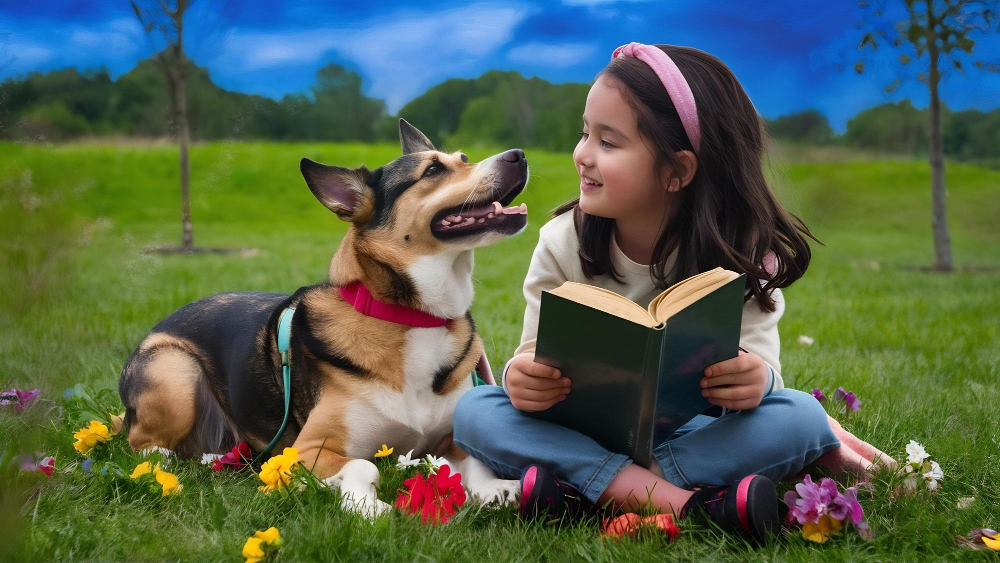
Animal stories have been teaching kids life lessons for as long as stories have existed. There’s a reason for that. Kids listen differently when the character has fur or feathers or scales. They lower their guard. They lean in. They laugh more. They cry more. And they take in lessons that would bounce right off if the character were a kid just like them.
That’s the magic of animal stories for kids. They deliver lessons through the side door. And the lessons land harder because they don’t feel like lessons at all.
Why Animal Characters Work So Well
Animals in stories do things that human characters can’t quite pull off.
They Create Distance From the Lesson
A story about a bear who lost his temper feels different than a story about a boy who lost his temper. The bear gives the kid room to think about the behavior without feeling attacked.
They Come With Built-In Personality
Foxes are clever. Owls are wise. Turtles are patient. Rabbits are quick. Kids come to these stories with expectations, and the story either meets or plays with them.
They Can Talk About Big Feelings Simply
An animal can have one clear emotion at a time. Sad. Scared. Excited. Kids see the feeling in the character’s face and body language, and they learn to name it.
They Never Feel Preachy
A moral coming from a chipmunk somehow feels less like a lecture than the same moral coming from an adult character. Kids just accept it.
Life Lessons Animals Teach Best
Some lessons show up in animal stories over and over. There’s a reason. These are the ones animals deliver best.
Kindness
Animal characters showing kindness to each other, especially across species, teach kids what real kindness looks like.
Bravery
A small animal facing something scary and doing it anyway. This lesson lands hard because kids often feel small themselves.
Friendship
Two animals from different worlds becoming friends. A mouse and an elephant. A bird and a cat. These friendships model how to connect with people who are different.
Honesty
A character who lies, feels bad, and comes clean. The gnawing feeling after a small dishonesty gets shown clearly on an animal character’s face.
Sharing
Animals fighting over food, then figuring out how to share it. Classic setup. Always works.
Patience
Slow-moving animals teach the value of slow. Kids who see it modeled learn it faster than kids who get told to slow down.
Asking for Help
An animal who can’t do something alone and reaches out to a friend or family member. This is one of the most useful lessons kids get from stories.
Being Yourself
An animal who feels different from the group and learns to be okay with it. Kids who feel different themselves absorb this deeply.
Types of Animal Stories Worth Knowing
There’s real variety in this category.
Barnyard Stories
Farm animals doing farm animal things. Chickens, cows, pigs, sheep. These stories often have humor and community themes.
Wild Animal Stories
Forest, jungle, or savanna settings. Foxes, bears, lions, monkeys. Often bigger adventures with bigger stakes.
Pet Animal Stories
Dogs, cats, hamsters, turtles. Usually paired with a kid character. Great for teaching gentleness and responsibility.
Small Creature Stories
Bugs, mice, snails, worms. Kids love small characters facing big worlds. Perspective shifts are built in.
Sea Creature Stories
Fish, whales, sea turtles, dolphins. Ocean settings feel magical to kids. Great for stories about big feelings and big spaces.
Backyard Animals
Squirrels, birds, rabbits, chipmunks. Kids see these animals in real life and get to imagine their inner worlds.
What Makes an Animal Story Really Work
Not every animal story lands. Here’s what separates the good ones.
A Character With a Clear Inner Life
The animal should feel like someone. They want something. They feel things. They make choices.
A Small, Real Problem
A stolen nut. A friendship gone sideways. A path that got scary. Small problems land better than big ones.
An Ending That Feels Earned
The character has to actually change or learn or grow. A tidy wrap-up feels flat. A real ending sticks.
Art That Loves the Animal
The illustrator’s care shows. Look for animals with expressive faces, detailed fur or feathers, and body language that matches the emotions.
Language That Reads Aloud Well
Animal stories are usually read out loud. The sentences have to feel good to say.
How to Read Animal Stories to Kids
The way you read matters.
Give Each Animal a Voice
Different animals need different voices. A tiny mouse voice. A big bear voice. Kids love this. It brings the story to life.
Slow Down on Emotional Pages
When the animal feels something big, slow your reading. Let the picture sit. Kids process the emotion in that pause.
Point Out Facial Expressions
Animals in kids’ books often show feelings clearly on their faces. Point them out. This teaches kids to read expressions.
Ask What They Think
After the story, ask what the kid thought. Not in a quiz way. Just casually. Their answer often surprises you.
Building an Animal Story Collection
A shelf with a mix of animal categories keeps reading time fresh. A few barnyard stories. A few forest ones. A pet story or two. Something with a sea creature. Something with a backyard animal. That kind of variety covers a lot of ground.
Rotate them through the seasons. Retire the ones that stop getting picked. Bring in new ones as your kid grows. The animal stories your kid loves at three won’t be the same ones they love at six. Follow their taste.
Why This Category Never Gets Old
Animal stories work for kids from age one to age ten and beyond. They work for every kid personality. They work across cultures. They work in every language.
They stick around because they do something no other kind of story can quite do. They teach real lessons about being human by using characters who aren’t human at all. Kids absorb these lessons without knowing they’re learning them. Years later, the lessons show up in how the kid treats a friend, or handles a fear, or asks for help.
That’s the whole point of animal stories. Fun on the surface. Real work happening underneath. Hard to beat that combination.
Pick a good mix. Read them often. Trust the animals to do their job. They’ve been at it a long time.