
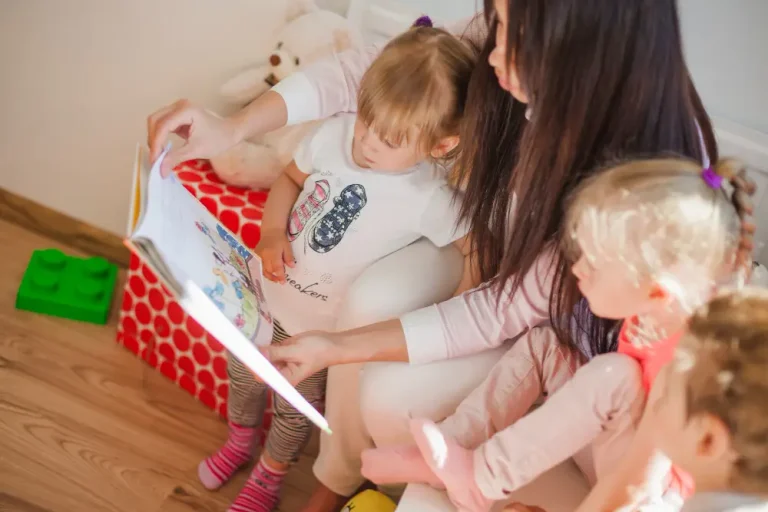
First grade is a big year for reading. Kids move from learning the basics to actually reading on their own. The right books can make all the difference in building confidence and sparking a lifelong love of reading. If you are looking for children’s books for 1st grade, this guide will help you find titles that match this age group and support early literacy development.
Why First Grade Reading Matters
First grade is when reading starts to click. Kids begin to recognize more words, understand sentence structure, and follow stories with less help. This is also when reading habits start to form. Children who enjoy reading in first grade are more likely to keep reading as they get older.
The books you choose can either support or slow down this progress. Books that are too hard can be frustrating. Books that are too easy might not hold a child’s attention. The goal is to find children’s books for 1st grade that hit the sweet spot: challenging enough to build skills but accessible enough to be enjoyable.
What to Look for in 1st Grade Books
Choosing books for first graders is not just about picking something with nice pictures. There are a few things to keep in mind when selecting children’s books for 1st grade.
Appropriate Reading Level
First graders are usually reading at levels that include simple sentences, familiar vocabulary, and some repetition. Look for books labeled as “early readers” or “level 1” or “level 2” readers. These books are designed to support kids who are just starting to read independently.
Many publishers use reading level systems to help parents and teachers find the right fit. Scholastic, for example, uses guided reading levels from A to Z. First graders typically fall somewhere between levels D and J, depending on the child.
Engaging Stories
A book can be at the right reading level and still fail to capture a child’s interest. Look for stories with characters kids can relate to, situations that feel familiar or exciting, and a clear beginning, middle, and end. Humor often works well with this age group.
When kids are engaged by a story, they are more likely to keep turning pages and finish the book. That sense of accomplishment builds confidence and motivation to read more.
Illustrations That Support the Text
At this stage, illustrations are still important. They help kids understand what is happening in the story and provide context for unfamiliar words. Look for books where the pictures and text work together, not just decorative images but ones that actually support comprehension.
Series Books
Series books can be great for first graders. Once a child finds a character or world they like, they want more. Series provide that continuity and give kids something to look forward to. They also make choosing the next book easy, since you already know your child enjoys the series.
Types of Books for 1st Graders
There are several types of children’s books for 1st grade that work well for this age group. Having a mix keeps things interesting and exposes kids to different styles of writing and storytelling.
Early Reader Books
These are books specifically designed for kids learning to read independently. They use simple sentences, controlled vocabulary, and plenty of white space on the page. Early readers often come in leveled series, making it easy to find books that match your child’s ability.
Popular early reader series include books from the “I Can Read” collection, “Step into Reading,” and “Ready-to-Read.” These series cover a wide range of topics and characters, so you can find something that matches your child’s interests.
Picture Books
Picture books are not just for preschoolers. Many picture books are appropriate for first graders and can be read aloud or independently depending on the child’s level. Reading picture books together can also be a bonding experience.
Beginning Chapter Books
Some first graders are ready for beginning chapter books by the end of the year. These books have short chapters, larger text, and some illustrations. They are a good bridge between picture books and the longer chapter books kids will read in second and third grade.
Nonfiction Books
First graders are curious about the world, and nonfiction books can feed that curiosity. Look for nonfiction titles with short sentences, clear photos or illustrations, and topics that interest your child. Animals, space, weather, and vehicles are popular subjects.
Recommended Children’s Books for 1st Grade
Here are some titles and series that work well for first graders. These suggestions cover a range of reading levels and interests.
For Early Readers Just Starting Out
“Biscuit” by Alyssa Satin Capucilli is a classic early reader about a small dog and his adventures. The simple sentences and repeating patterns make it easy for beginning readers to follow along.
“Elephant & Piggie” by Mo Willems is a favorite with this age group. The books feature two friends, an elephant named Gerald and a pig named Piggie, who get into funny situations. The dialogue format makes these books feel like comics, which appeals to many kids.
“Pete the Cat” by James Dean offers simple stories with a laid-back cat who handles problems with a positive attitude. The books have catchy phrases that kids like to repeat, which reinforces reading skills.
For Kids Ready for More Challenge
“Frog and Toad” by Arnold Lobel has been a staple in early childhood reading for decades. The stories follow two best friends through everyday adventures.
“Henry and Mudge” by Cynthia Rylant features a boy and his big dog. The stories are warm and relatable, with enough text to challenge readers who are ready to move beyond the simplest books.
“Little Bear” by Else Holmelund Minarik is another classic. The gentle stories about a bear and his family are comforting and easy to read.
Beginning Chapter Books
“Mercy Watson” by Kate DiCamillo follows a pig who lives with a couple who treat her like their own child. The stories are funny and charming.
“The Princess in Black” by Shannon Hale and Dean Hale is about a princess with a secret identity as a monster-fighting hero.
“Owl Diaries” by Rebecca Elliott is written in diary format with illustrations on every page.
Nonfiction Options
“National Geographic Readers” offer a range of topics at different reading levels. First graders can start with level 1 or level 2 books about animals, planets, weather, and more.
“Who Would Win?” by Jerry Pallotta compares two animals and imagines who would win in a fight. It is engaging for kids who like facts.
“DK Readers” cover a wide range of subjects, from dinosaurs to vehicles to famous people.
Tips for Supporting 1st Grade Readers
Finding the right children’s books for 1st grade is important, but how you support reading at home matters just as much. Here are some tips to help your first grader grow as a reader.
Read Together Daily
Even if your child can read on their own, reading together is still valuable. Take turns reading pages or chapters. Daily reading time does not have to be long. Fifteen to twenty minutes is enough.
Let Your Child Choose Books
Kids are more motivated to read when they have a say in what they are reading. Let your child browse books at the library, bookstore, or online.
Praise Effort, Not Just Results
First graders are learning, which means they will make mistakes. When your child stumbles over a word, be patient. Praise the effort and the progress.
Make Books Accessible
Keep books where your child can reach them. A basket of books by the bed or a shelf at their level makes it easy for kids to pick up a book whenever they feel like it.
Visit the Library Regularly
Libraries are a free resource that many families underuse. Take your child to the library regularly and let them explore.
Watching Your Child Grow as a Reader
First grade is just the beginning of your child’s reading life. The books they read this year will help build the foundation for everything that comes next. By choosing the right children’s books for 1st grade and supporting reading at home, you set your child up for success.
Pay attention to what your child enjoys and what challenges them. Adjust your book choices as they grow. Celebrate their progress and keep reading fun. With the right approach, your first grader will not just learn to read but will learn to love reading.
Start exploring books today and find the titles that will capture your child’s imagination and build their skills. The next great reader in your family might be sitting right next to you.