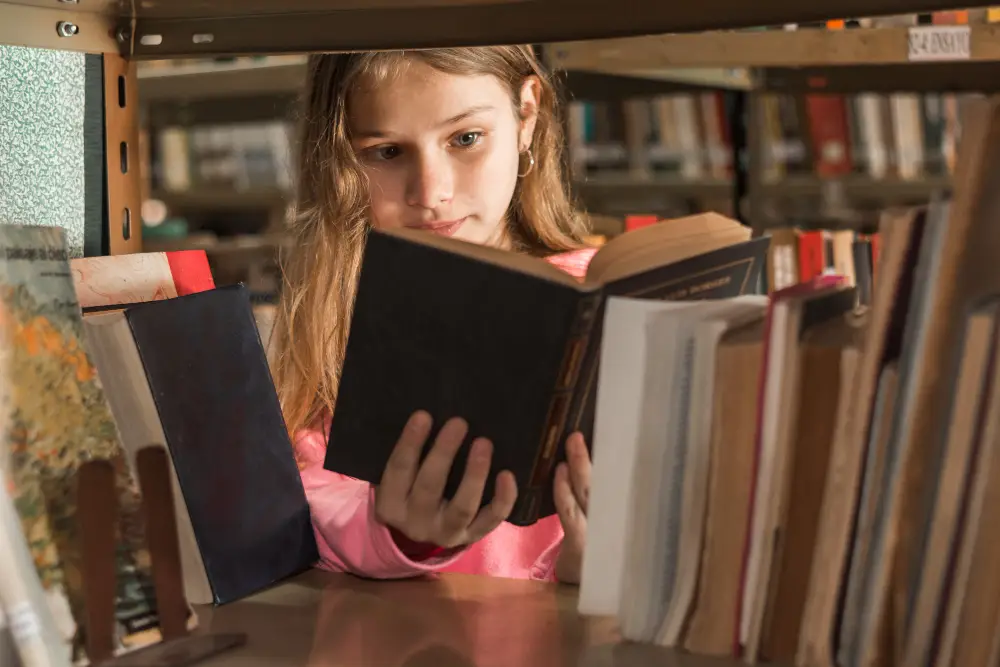
Building a home library for your child doesn’t have to drain your wallet. Used books for kids and kids books on sale offer a practical way to surround your children with stories without spending a fortune. And here’s the thing: a pre-owned book tells the same story as a new one. The words don’t change just because someone else read them first.
Parents, teachers, and caregivers know that kids go through books quickly. A child might read the same picture book fifty times, then never touch it again. Buying new books for every reading phase adds up fast.
The Case for Used Books for Kids
There’s a common misconception that used books are somehow lesser. But libraries have been lending the same copies of books for years, and those books work just fine. A well-loved book with a cracked spine and some dog-eared pages has a history. It’s been enjoyed before, and it’s ready to be enjoyed again. Used books for kids are also better for the environment.
Where to Find Used Books for Kids
If you know where to look, used children’s books are everywhere. Thrift stores like Goodwill and Salvation Army often have children’s book sections. The selection changes frequently, so it pays to visit regularly.
Library sales are gold mines for affordable kids’ books. Libraries regularly weed their collections and sell older copies to make room for new ones. Annual book sales often feature hardcovers for a dollar or two and paperbacks for even less.
Online marketplaces like ThriftBooks, Better World Books, and AbeBooks specialize in used books. You can search by title, author, or reading level and have books delivered to your door.
Local buy-nothing groups and parent swap groups on social media are another resource. Garage sales and estate sales sometimes have boxes of children’s books priced to move.
What to Look for in Used Books
Not all used books are worth bringing home. A little wear is fine, but you’ll want to pass on books with missing pages, heavy staining, or mold. Give each book a quick flip-through before you buy. Check that the spine is intact and the pages are secure. Smell matters too. Books stored in damp basements or smoky homes can carry odors that are hard to get rid of.
Finding Kids Books on Sale
If you prefer new books but still want to save money, keeping an eye out for kids books on sale is the way to go.
Seasonal Sales at Bookstores
Major bookstores run sales throughout the year. Back-to-school season often brings discounts on children’s books. Sign up for email lists to get notified when prices drop.
Online Deals & Discount Retailers
Amazon frequently discounts children’s books. Websites like Book Outlet sell new books at remaindered prices, often 50% off or more. Discount retailers like Costco, Target, and Walmart stock kids’ books at lower prices.
Using Coupons & Rewards Programs
If you shop at bookstores regularly, loyalty programs can add up. Browser extensions like Honey can automatically find coupon codes when you’re shopping online.
Stretching Your Book Budget Further
Even with used books and sales, it helps to be strategic about how you spend your money.
Prioritize What Your Child Will Actually Read
It’s tempting to buy a stack of books because they’re cheap. But if your child doesn’t read them, you haven’t saved anything. Focus on books that match your child’s interests and reading level. When in doubt, start with one book from a series. If your child loves it, you can look for the rest.
Rotate Books to Keep Things Fresh
Kids often lose interest in books they’ve seen a hundred times. Instead of buying more, try rotating what’s on the shelf. Pack up some books for a few months, then bring them back out. They’ll feel new again.
Use the Library as Your Primary Source
Public libraries are free. Before you buy any book, check if the library has it. Let your child read it first. If they want to read it over and over, then it’s worth buying. Librarians are happy to help you find books that fit your child’s interests.
Teaching Kids the Value of Books & Money
Shopping for used books for kids and kids books on sale can be a teaching moment too. Bring your children along when you browse thrift stores or library sales. Show them how to evaluate a book’s condition. Let them make choices within a budget.
Passing Books Along
When your child outgrows a book, pass it on. Donate to a local library, school, or community center. Give books to younger family members or neighbors. This cycle keeps books in circulation and helps other families access stories they might not afford otherwise.
Building a Love of Reading on Any Budget
The point of all this isn’t just to save money. It’s to make sure money never becomes a barrier to reading. Every child deserves access to books, and that access doesn’t have to depend on what a family can pay full price for.
Used books for kids and kids books on sale open doors. They let you fill your home with stories, give your child choices, and build habits that last. The cost of a book has nothing to do with its worth.