
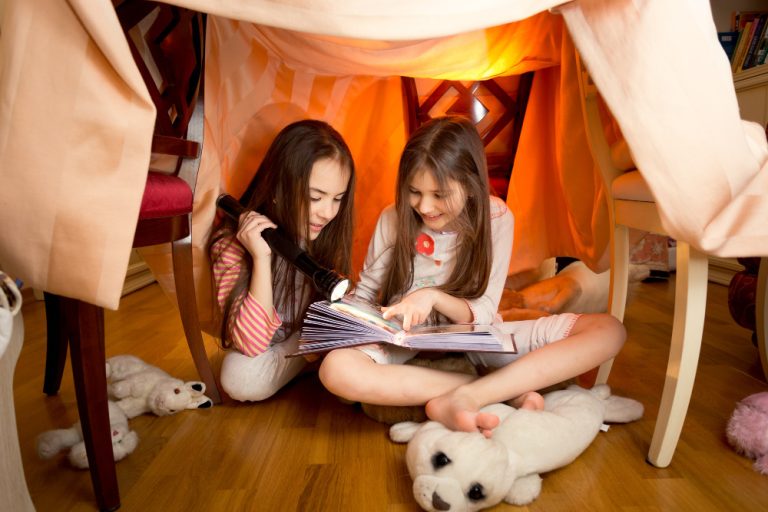
Kids do not learn how to be a good friend by being told. They learn it by watching it happen, story after story, until the lessons become second nature. That is why books about friendship matter so much in the early years. They give kids a model to follow, a few words for the feelings they bump into on the playground, and a soft way to think about how they treat the people around them.
If your shelf is short on friendship reads, here is what to look for and why these books carry so much weight in a kid’s growing-up years.
Why Friendship Books Land So Hard With Kids
Friendship is one of the first big social puzzles kids run into. By age 3 or 4, they are already figuring out who likes them, who they like, and what to do when things go sideways with a friend.
Kids See Themselves in the Story
A book about two friends working through a fight, sharing a snack, or making up after a misunderstanding hits home fast. Kids picture their own classmates, their own playground, their own little dramas, and the lesson clicks.
Sharing Lessons Stick Through Stories
Telling a kid to share gets you nowhere. Showing them a character who shares and feels good about it teaches the same thing without the pushback.
Friendship Books Build Empathy
Watching a story character feel left out helps kids notice when real kids feel left out. That little muscle of noticing is the start of empathy, and friendship books build it page by page.
What Makes a Friendship Book Worth Keeping
Some friendship books feel forced. Others land like a hug. The keepers share a few traits.
Real Friendship Problems
The best ones tackle the stuff kids actually run into. Someone leaves a friend out. A toy gets fought over. A new kid wants to join in. Real problems land harder than made-up ones.
Characters Who Feel Like Friends
Kids should want to know the characters. A turtle and a rabbit. Two best-friend bears. A kid and a stuffed animal who feels real. Strong characters make the lesson stick.
A Soft, Honest Resolution
The fix should not feel cheesy. A small apology. A shared snack. A quiet moment of getting it. Real friendship moments are small, and the books that show that ring true.
Types of Friendship Stories Kids Love
Mixing up the kinds of friendship books on your shelf gives kids a fuller picture of what good friendships look like.
Stories About Sharing
Sharing is the entry-level friendship lesson. Books where a character holds tight to something, then learns the joy of sharing it, plant the seed early.
Stories About Including Everyone
Books where a kid notices someone left out and finds a way to bring them in are gold. They speak straight to the lunchroom and playground politics kids deal with every day.
Stories About Friend Fights & Making Up
Friends fight. Books that show two kids working through an argument and finding their way back teach kids that fights are not the end of a friendship.
Stories About New Friends
A new kid at school. A neighbor moving in next door. Books about making new friends help kids feel less stuck the next time they walk into an unfamiliar group.
Stories About Standing Up for Friends
Loyalty shows up in the best friendship books. A character speaking up when a friend is treated badly teaches kids that being a good friend sometimes means being brave.
How to Get the Most Out of Friendship Books
Reading the book is step one. A few small habits stretch the lesson further.
Talk About the Story After
Ask soft, open questions. What did you think about what she did. Would you have shared. Their answers tell you what they picked up.
Connect It to Real Life
Mention the book when a real moment comes up at home or school. Linking the story to real life locks the lesson in.
Re-Read the Favorites
Friendship lessons go deeper on the second and third read. Keep the keepers in rotation.
Read at Calm Times
Friendship books work best when kids are not already worked up. Bedtime, weekend afternoons, or quiet mornings give the lessons room to land.
Building a Friendship Book Shelf
You do not need a giant pile. A small, well-picked stack does more good than a shelf of forgettable reads.
Cover the Core Themes
Aim for at least one book on each big theme. Sharing. Including others. Making up after fights. Standing up for friends. Making new ones. That mix gives your kid a full friendship toolkit.
Mix Animal & Kid Characters
Animal characters make the lessons feel safe. Kid characters help your child see themselves on the page. Mixing them keeps the shelf fresh and the lessons coming from different angles.
Add a Few Funny Ones
Friendship does not have to be heavy. Silly friendship books, where two odd-pairing characters become best friends, balance out the more serious reads.
Raising Good Friends, One Story at a Time
Friendship is a skill kids build their whole life, and the early books on their shelf shape how they think about the people around them. Pick reads that show real friendship in action, talk about them when they come up, and keep the favorites close. Before long, you will hear your kid using the same kindness they read about, and you will know the books did their quiet work.