
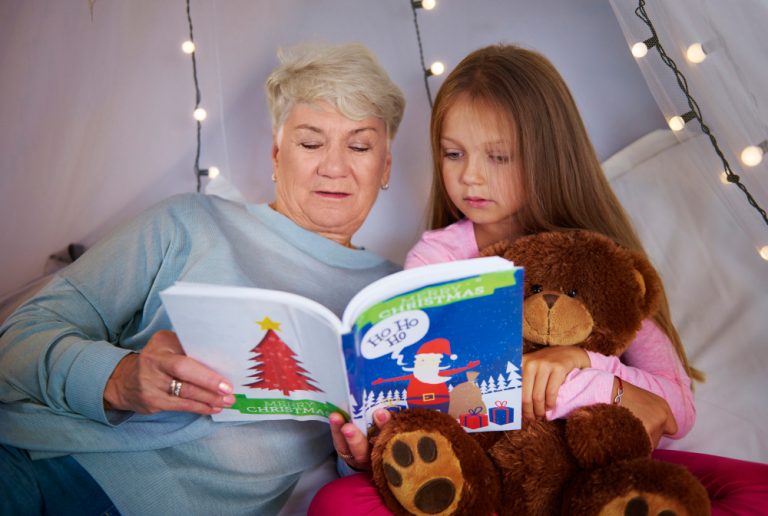
Four to six is a sweet window for reading. Kids in this range can sit through a longer story. They can follow more characters. They can handle a small twist. And they’re starting to read a few words on their own, even if a parent is still doing most of the work. Children’s books for ages 4-6 that kids actually love share a handful of traits, and once you know what to look for, the picks get a lot easier.
The hardest part about choosing books for this age is that the bookstore shelves are stuffed with options. Some are gorgeous and boring. Some are funny and forgettable. The ones worth bringing home tend to have something underneath the surface, something the kid can sense even if they can’t name it.
What Four- to Six-Year-Olds Want From a Book
Kids in this age range have moved past the strictly visual phase. They still want great pictures, of course, but they also want a story they can follow and care about. They want characters who feel like someone they could know. They want stakes. They want a small payoff at the end. And they want the whole thing to feel like time well spent.
Characters With Real Personalities
A flat character bores a five-year-old. The best books at this age have characters with quirks. A grumpy one. A scared one. A bossy one. A loyal one. Kids recognize these personalities from people around them and the recognition itself is satisfying.
A Problem That Matters to a Small Person
Forget saving the world. Five-year-olds care about smaller stakes. A lost shoe. A friend who said something mean. A scary noise at night. A sibling who keeps grabbing the same toy. Books that take small problems seriously are the ones that land.
Some Humor Woven In
Kids this age are starting to get jokes. Wordplay, silly behavior from a character, surprising turns. A book that makes them laugh out loud earns repeat reads. That doesn’t mean every book has to be funny. But a touch of humor goes a long way.
Themes That Work Especially Well at This Age
Some themes seem to come up over and over in books kids love at this age. There’s a reason for that.
Friendship & Figuring Out Other People
Kids this age are deeply interested in friendship. They’re starting to have real ones, complete with falling-outs and making-ups. Books that explore how two characters become friends, or how they work through a disagreement, get read again and again. It’s not just entertainment for them. It’s research.
Bravery in Small Moments
Kids this age are also starting to recognize that being scared is a normal feeling, not just something that happens to babies. Books about characters who feel afraid and then do the thing anyway are powerful at this age. The bravery doesn’t have to be huge. A character who finally goes down the slide, or finally tells the truth, or finally tries the new food. Small bravery is the most relatable kind.
Family & the People Who Help
Books that feature parents, siblings, grandparents, or neighbors in supportive roles do real emotional work. Kids this age are starting to see that they’re part of a larger network of people who care about them. A book that shows a kid asking a parent for help and getting it, or learning something from a grandparent, lets them feel that support reflected back.
Animals Doing Kid Things
Animal characters never get old. A bear who loses his hat. A rabbit who can’t fall asleep. A duck who is afraid of swimming. These stories work because the animal lets the kid step outside their own situation while still feeling it.
What Kids Love in the Art
Pictures still matter a lot at this age, maybe even more than at three or four because kids are noticing more.
Expressive Faces
A character whose face shows what they’re feeling teaches kids to read expressions. They study these pictures the way adults study photographs of people they love.
Detail in the Background
Stuff happening in the corners. Side characters reacting. Visual jokes. Kids spot all of this and treasure the books that reward closer looking.
Color & Mood
Some pages should feel bright. Some should feel quiet. The art carries the emotional rhythm of the story, and kids feel that even if they can’t articulate it.
Building Reading Time Into the Day
Around this age, reading routines start to firm up. Some families have a bedtime story habit. Some squeeze in a book before dinner. Some read on weekend mornings. The specific time matters less than the consistency.
Bedtime as a Soft Landing
Bedtime stories work especially well at this age. They slow the kid down. They give the parent a moment to connect after a busy day. They build a comforting routine that the kid can rely on. Pick books for bedtime that have gentle endings. Save the exciting ones for daytime.
Morning or After-School Reading
If bedtime gets chaotic, find another window. A book before school can settle a kid and start the day on a calm note. A book after school can be a way to reconnect. Even ten minutes counts.
Letting the Kid Read Along
By five or six, many kids can pick out some words. Let them point. Let them sound things out. Don’t push, but don’t hold them back either. If they want to read a few pages to you, slow down and let them. If they want you to keep doing the work, that’s fine too.
What to Look For in the Writing
The words on the page do a lot of quiet work.
A Voice That Doesn’t Talk Down
The worst books for this age sound like the author thinks kids are dumb. Skip those. The best ones treat the kid like they’re smart, capable, and worth talking to as a person.
Some Real Vocabulary
Don’t be afraid of bigger words now and then. Kids this age can handle them, especially when they’re surrounded by context that makes the meaning clear. Books that throw in a few less common words help build the kid’s vocabulary in a way that everyday talk can’t.
Rhythm & Pacing
The pages should move at the right speed. Some pages should land slowly. Others should feel like they’re picking up. A book that gets the pacing right keeps the kid in the story instead of pulling them out.
Signs a Book Is Going to Be a Keeper
Some books reveal themselves quickly. A few signs that a book is going to be one of the family favorites:
The kid asks to read it twice in a row the first time. They start quoting lines from it at random. They want to take it in the car. They tell other people about it. They cry at the same page every time and don’t want to skip it. They make you read it slowly on certain pages.
When you see these signs, that’s a book worth keeping forever. It will get reread for years, possibly passed down to younger siblings or cousins, and the kid will remember it as an adult.
When to Retire a Book
Most books for this age have a shelf life with a particular kid. They love it for a few months, then move on. That’s fine. Don’t push it. When a book stops getting requested, put it away for a while. Sometimes the kid will rediscover it months later and love it again. Sometimes they’ve truly outgrown it, and that’s a normal part of growth.
The Role of Reading for Fun Versus Reading for Skills
There’s pressure these days for kids to read early, read well, and read often. Some of that pressure is fine. Most of it isn’t. The biggest mistake parents make at this age is turning reading into school. The kids who become real readers later are usually the ones who associated books with fun, closeness, and good feelings, not the ones who got drilled on phonics from age four.
Trust the process. Read what they love. Read what you love. Let the skill build naturally underneath, because it will. The kid who loves stories will figure out how to read them. The kid who hates being made to read might not.
A Final Thought
Choose books for four- to six-year-olds the same way you’d choose a good friend. Look for warmth. Look for honesty. Look for the kind of presence that makes you want more of it. The books that meet those standards will earn their place in your kid’s life, and they’ll do quiet good for years after the last reading.