
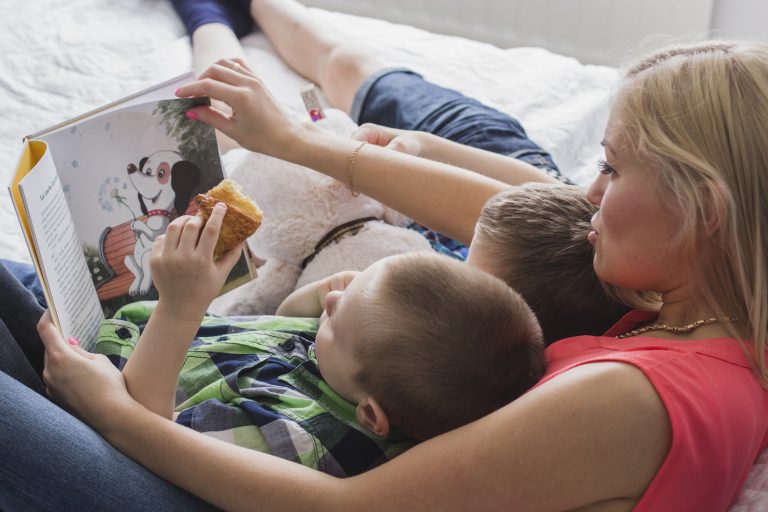
Preschool is when kids start to figure out that other people have feelings too. Before that stage, the world is pretty much about them. Around three or four years old, something shifts in how they see the people around them. They start noticing when a friend is sad, they start caring when a sibling gets hurt, and they start asking questions about why people act the way they do. This shift is exactly what social emotional learning is all about, and books are one of the best tools for supporting it at this age.
Social emotional learning books for preschool do quiet, powerful work over time. They teach kids to name their feelings, to notice other people’s feelings, to handle hard moments, and to build the kind of confidence that carries them into elementary school and beyond.
What Social Emotional Learning Actually Means for Preschoolers
The phrase can sound formal, but the idea behind it is simple. Social emotional learning is how kids learn to know their own feelings, get along with others, and handle the challenges of daily life. For preschoolers, this shows up in small, everyday ways rather than in big lessons.
Naming Feelings
A preschooler who can say “I feel frustrated” instead of hitting the wall is doing real social emotional work. Books that name feelings clearly give kids the words they need for what they are experiencing inside their own bodies.
Reading Other People’s Feelings
Preschoolers are just starting to notice that other people feel things too. Books with characters whose faces show clear emotions help kids practice reading feelings in the safe space of a story rather than in the middle of a real moment.
Handling Hard Moments
Feeling angry, sad, or scared is part of being a preschooler. Books that show characters going through these feelings and coming out the other side teach kids that hard emotions are survivable and eventually pass.
Getting Along With Others
Preschoolers are learning how to share, take turns, and be part of a group. Books that model these skills give them a script to follow when the real moment comes up on the playground or in class.
What to Look For in a Social Emotional Book
Not every book with a feelings theme actually helps. The strong ones share a handful of qualities that make them worth having on the shelf.
A Character Kids Can Relate To
The character should feel like someone a preschooler could actually know, such as a regular kid dealing with a regular feeling or a gentle animal working through a hard moment. Kids need to see themselves in the character in order to absorb the lesson.
Clear Emotions on the Page
The illustrations should show feelings in obvious ways. A sad face should really look sad, and a happy face should really look happy. Preschoolers read pictures before they read words, and clear emotional art does most of the teaching work in a book at this age.
A Real Situation
The story should be about something a preschooler could actually experience in their own life. Losing a toy, missing a parent, getting angry with a sibling, or feeling nervous about a new place are the kinds of small situations that resonate far more than big, abstract ones.
A Way Through the Feeling
Good social emotional books do not just name a feeling and leave it there. They show the character finding a way to handle the feeling, such as taking a deep breath, talking to a parent, asking for help, or trying again after a setback. Kids learn what to do with hard feelings by watching characters do it first.
Themes Worth Covering
A well-rounded shelf of social emotional books covers several themes. Each one builds a different piece of what your preschooler needs to grow into a confident, caring kid.
Confidence & Self-Worth
Books about characters who realize they are capable of more than they thought build confidence in a way pep talks never can. A preschooler who watches a small character do something brave starts to see themselves in the story.
Empathy for Others
Books that show a character noticing what a friend needs and responding with care teach empathy at the ground level. This is where the roots of long-term kindness get planted.
Naming Big Feelings
Feelings like anger, sadness, jealousy, worry, and excitement all deserve their own books. Titles that put clear names on these feelings give preschoolers the vocabulary they need to talk about what is going on inside them.
Asking for Help
Asking for help is one of the most useful lessons for preschoolers to learn early. Stories where a character faces a problem and turns to a parent or teacher for help teach kids that asking for help is a smart, strong thing to do.
Being a Good Friend
Preschoolers are learning how friendship works in real time. Books that model sharing, taking turns, and being kind to a friend give them the scripts they need for their own early friendships.
Handling Change
A new sibling, a new school, a new home, or a new routine can all feel scary to a preschooler. Books that show characters going through change help preschoolers handle the changes in their own lives with less fear.
How to Read These Books With Preschoolers
The book matters, and how you read it matters just as much for a preschooler.
Read Slowly & With Feeling
Preschoolers process at their own pace. Read slowly, let the emotional pages sit for a beat, and match your voice to what the character is feeling on the page. This is how the lesson goes in most deeply.
Name the Feelings Out Loud
If the character on the page looks sad, say the word sad and point at the face. Preschoolers link the word to the expression and start doing the same thing in real life with the people around them.
Ask Gentle Questions After
Light questions like “I wonder how she felt” or “that part was tricky” open up small conversations without turning the story into a lesson. Follow your child’s lead if they want to talk more.
Connect the Book to Real Moments
When your preschooler has a big feeling later in the day, mention the character from a book you read together. A quick comment like “the bear in the book felt that way too” helps your child feel less alone with the feeling.
Read Favorites Over & Over
Preschoolers ask for the same book again and again for a reason. The story is meeting a real need for them. Read it as many times as they ask, because each reading lets the lesson go a little deeper.
Building a Social Emotional Book Collection
You do not need many books to build a useful collection. Eight to twelve well-chosen social emotional books can cover the main themes for the preschool years.
Include a couple of books that name specific feelings clearly. Add one about confidence, one about empathy, one about asking for help, one about handling change, and a few about being a good friend. Rotate the titles through your regular reading time and let your child pick which one they want most nights.
The Real Payoff Over Time
Social emotional learning books do slow, quiet work over years. Your preschooler will not finish a book about feelings and suddenly handle every emotion perfectly. The lessons sink in over months and years, showing up in small moments you may not always notice at the time.
A preschooler who grows up on these kinds of books becomes a kindergartner who can name what they feel. That kindergartner becomes an elementary school kid who can handle a tough day at school. That elementary kid becomes a teenager who knows how to ask for help when things feel hard. Each stage builds on the last, and it all starts with the small books you read together at three and four years old.
Pick strong ones, read them often, and let the stories build the confidence and empathy your child will carry with them for life.