
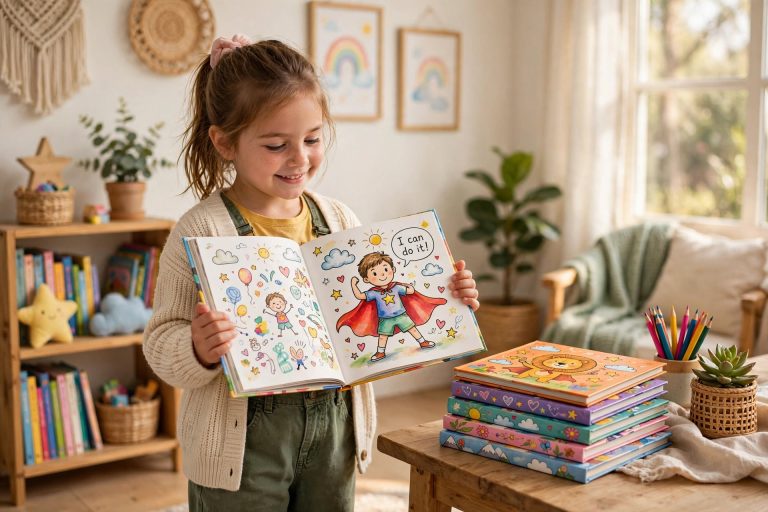
Self-esteem is one of those things that sounds simple until you actually try to build it in a child. You cannot just tell a kid to feel good about themselves and expect it to stick. Real self-esteem grows through experience, through the way parents talk to kids about themselves, and through the stories they hear over and over during their earliest years. Self-esteem books for children play a bigger role in this than most parents realize.
The right book can plant an idea in a child’s mind that stays with them for years. A story about a small character who feels okay about who they are, even when they are different from the crowd, does more emotional work than a hundred pep talks. Self-esteem is built quietly, in small moments over long stretches of time, and books are one of the best tools we have for doing that quiet building.
Why Self-Esteem Matters From an Early Age
Self-esteem laid down in early childhood becomes the foundation for how a child handles almost everything that comes later. A kid with strong early self-esteem walks into new situations more open and less afraid. A kid without it carries doubt into every new experience and often shrinks back before even trying.
The Roots Go Down Early
Most researchers agree that the roots of self-esteem take hold well before elementary school. What kids hear from parents, teachers, and stories in those early years becomes part of their inner voice for life. If that inner voice is kind and steady, the child grows up with a stable sense of self. If the inner voice is critical, the child fights that voice for years.
Stories Are Part of the Inner Voice
When you read a self-esteem book to a young child, the words become part of what the child says to themselves later. A character who learns to like who they are, or who realizes they are enough just as they are, gives the child a model for that same inner conversation. This is why the books you pick matter so much at this age.
What Self-Esteem Looks Like in Young Children
Self-esteem in a small child does not look like the way we think of it in adults. It shows up in quieter, more everyday ways.
Feeling Okay About Trying
A child with healthy self-esteem is willing to try new things without needing to be sure they will succeed. They can dance without knowing the moves, sing without hitting the notes, and draw without worrying if the picture looks right. The trying itself feels safe to them.
Recovering From Small Setbacks
Kids with self-esteem can lose a game, break a toy, or get corrected without falling into a bigger emotional spiral. They feel the disappointment, they move through it, and they come out the other side ready to try again. This kind of resilience is a direct outgrowth of early self-esteem.
Not Needing Constant Reassurance
A confident young child does not need to be told every five minutes that they are doing a good job. They can play on their own, work on a task, and enjoy small accomplishments without needing an adult to notice every one. This inner sense of okayness is what real self-esteem looks like at the ground level.
Themes That Build Self-Esteem in Children
Certain themes come up over and over in self-esteem books for a reason. Each one builds a different piece of what a child needs.
Being Okay With Who You Are
The most basic self-esteem theme is a character learning to like themselves as they are. The character might be small, quiet, slow, or different in some other way, and the story shows them coming to accept that difference as part of what makes them worth knowing. This message lands hard on young readers who feel different in any way.
Trying & Getting Better Over Time
Stories where a character struggles at something, keeps at it, and slowly gets better teach kids that ability grows through effort. This idea builds real self-esteem because it puts the power in the child’s hands rather than making them wait to be born talented.
Being Kind to Yourself After a Mistake
Kids are often much harder on themselves than adults realize. Books that show a character making a mistake, feeling bad about it, and then forgiving themselves teach kids one of the most important self-esteem skills there is.
Standing Up for Yourself
Self-esteem includes being able to say what you think and stand up when someone is unkind. Books that show a character finding their voice teach kids that their feelings and opinions matter, which is a lesson that pays off in every relationship they will ever have.
Belonging Without Fitting In
Some of the best self-esteem books show a character who does not quite fit in with the group but finds their people anyway. This message helps kids see that they do not need to change themselves to be loved, and that the right friends will come along in time.
What to Look For in a Self-Esteem Book
Not every book with a self-esteem theme actually helps. The good ones share a few key qualities.
A Character Kids Can See Themselves In
The character does not have to look like your kid, but they need to feel like someone your kid can care about. A shy character, a small character, or one who is different in some clear way lets the child project their own feelings onto the story.
A Real Struggle, Not a Pretend One
The character has to actually feel bad about themselves at some point in the story. If everything is easy from page one, the self-esteem message does not carry any weight. Real struggle in the middle makes the ending feel earned.
An Ending That Does Not Fix Everything
The best self-esteem books do not end with the character suddenly being popular or perfect. They end with the character feeling okay about themselves as they are. This is the version of self-esteem that actually holds up in real life.
How to Read These Books With Kids
The book matters, and how you read it shapes how deeply the lesson goes in.
Slow Down on the Feeling Pages
When the character in the book feels bad about themselves, pause on that page. Let the moment sit. Kids need time to feel the character’s feelings before the story moves on to the resolution.
Notice Your Kid’s Own Small Wins
If your child does something they were proud of, mention it in a calm way. Small comments like “I saw how you kept trying with that” reinforce self-esteem without turning every moment into a lesson.
Reread the Ones That Meet a Need
Some self-esteem books will become clear favorites for your child. Read them as many times as your child asks. Each reading lets the message sink in a little deeper, and over time it becomes part of how the child sees themselves.
Building a Small Self-Esteem Book Collection
You do not need many titles to build a strong self-esteem library. Six to ten well-chosen books that cover different angles of self-esteem give your child a rich set of examples to draw from as they grow.
You could include a book about being different, one about learning through effort, one about being kind to yourself after a mistake, and one about standing up for yourself. Round the collection out with a couple of gentle stories that are simply about a character feeling at home in who they are. Rotate them through your regular reading time and pay attention to which ones become favorites.
The Long Payoff of Self-Esteem Books
Self-esteem books for children do not produce instant results. Your child will not finish one and suddenly love themselves completely. The lessons work slowly, showing up in small moments weeks or months down the road when the child faces a hard feeling and handles it a little better than they would have before.
A child who grows up with a shelf of self-esteem books becomes a kid who feels okay about who they are, even when they are different from the crowd. That inner steadiness is one of the best gifts a parent can give, and it starts with the small stories you read together at three, four, and five years old. Pick good ones, read them often, and let the quiet work of the stories build the strong self-esteem your child will carry with them for life.