
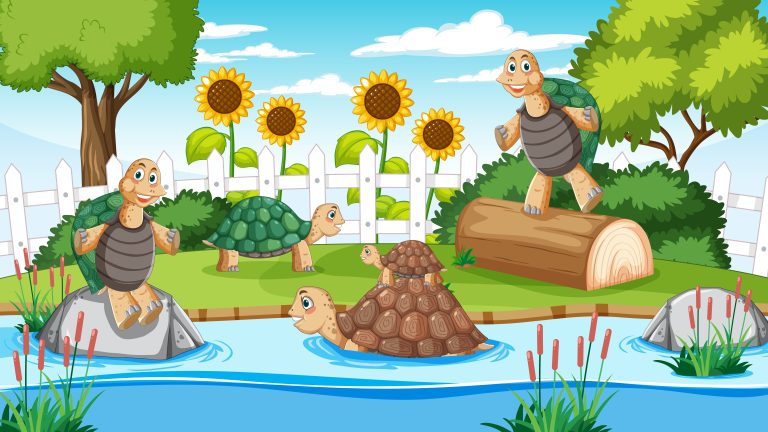
Preschoolers are not known for their patience. They want the snack now, the toy now, the answer now, and the story now. Waiting five minutes can feel like waiting five hours when you are three years old. This is exactly why a good story about a turtle works so well at this age. Turtles are the natural teachers of patience in the animal kingdom, and a well-written turtle story slips that lesson into a preschooler’s mind without ever feeling like a lecture.
A gentle turtle story can settle a fidgety child, hold their attention for a few sweet minutes, and leave behind an idea they will draw on for years. The lesson does not always show up right away, but it plants itself in the background and comes out later in small moments that catch a parent off guard.
Why Turtle Stories Work So Well at This Age
Turtles come with built-in personality traits that preschoolers can grasp easily. They move slowly, they carry their homes on their backs, and they pull their heads in when the world feels too big. All of this is easy for a small child to picture, and it is also easy for a small child to feel connected to on a personal level.
A preschooler who feels overwhelmed by a busy day recognizes what it looks like when a turtle tucks itself into its shell for a moment of quiet. A child who wants to run everywhere can see something interesting in a character who takes each step with care. The turtle becomes a mirror for feelings the child is already having but cannot always put into words.
The Slow Character Advantage
A slow character has to solve problems differently than a fast one, and this small idea lands hard for preschoolers. When a turtle in a story cannot chase after something, the child watches the character stop, think, and try another way. That kind of problem-solving is exactly what a three or four year old is beginning to develop, and a good story gives them a model to follow when they run into their own small challenges.
What Patience Looks Like in a Preschool Story
Patience in a preschool book does not have to be dramatic. It shows up in small ways that match the world a small child actually lives in.
Waiting for Something Good
A turtle character who has to wait for a friend to arrive, or for a seed to grow, or for the rain to stop shows patience in a way preschoolers can follow along with. The waiting itself becomes part of the story rather than something that happens off the page and gets skipped over.
Doing Things One Step at a Time
Turtle stories often show the character finishing a task by taking small, steady steps toward a goal. This kind of pacing teaches preschoolers that big things get done piece by piece rather than all at once, which is a lesson they can apply to almost anything they try.
Letting Faster Friends Go First Sometimes
A turtle who is happy to let a rabbit or a bird zip ahead teaches preschoolers that being slower does not have to feel bad. Some kids need to hear this idea in a story before they can feel it in their own real life experiences with faster or louder peers.
How Preschoolers Absorb the Lesson
Preschoolers do not learn from stories the way older children do. They pick things up in bits and pieces over time, and the lesson often shows up later in ways that catch parents by surprise.
They Copy the Character
A child who loves a turtle story may start pretending to be the turtle at random moments during the day. They might walk slowly around the living room, or curl up on the couch the way the character does in the book. This kind of imitation is real learning happening in disguise, even though it looks like ordinary play.
They Repeat Lines From the Story
Preschoolers memorize lines from the books they love and bring those lines into daily life. A quiet phrase from a turtle story can turn into something the child says to themselves when they feel rushed or upset. The story becomes a small mental tool they carry around with them.
They Bring the Character Up in Real Life
Weeks after a turtle story becomes a favorite, a preschooler might mention the character while waiting in line at the store, or while watching a snail crawl across the sidewalk. That is the moment when a parent knows the lesson has taken root and become part of how the child sees the world.
Reading a Turtle Story With a Preschooler
The way you read the story matters as much as the story itself, and a few small changes to your reading style can make the patience lesson stick better.
Slow Your Voice Down
Read a turtle story slower than you read other books, and let the pace match the character on the page. Preschoolers pick up on this without knowing they are picking up on it, and the slow reading itself becomes part of the calming effect the story has on them.
Pause on the Quiet Pages
Turtle stories often have pages where not much happens on the surface, because the character is walking, thinking, or looking around. You should not rush past these pages. Let the moment sit for a beat, point at the picture, and give your child time to take it all in before turning to the next page.
Talk About the Character Later
Bring up the turtle at random times during the week to keep the story alive in your child’s mind. If your child is being patient about something, mention how the turtle in the story would have done the same thing. The story stays useful as long as it keeps popping up in daily life.
Read the Story More Than Once
Preschoolers benefit from hearing the same story again and again over the course of weeks. Each reading lets them notice something new that they missed the last time around. By the fifth or tenth reading, the lesson about patience is no longer a lesson at all, because it has become part of how they think.
Building Patience Beyond the Book
A turtle story can spark small activities that build on the theme in real life, and you do not need to plan a whole lesson to make it happen.
You could plant a seed together and watch it grow over the course of several days. You could take a slow walk in the yard and look for small creatures moving carefully through the grass. You could set up a race between two toy animals and let your child cheer for the slower one. These small experiences connect the story to the real world in ways that make the patience idea feel practical rather than something that only lives inside a book.
The Quiet Payoff Over Time
Preschool is when the foundation for patience gets laid, and it does not happen in one big moment. It happens through hundreds of small ones, and a good turtle story is one of those small moments that adds up over time.
A child who grows up hearing gentle turtle stories learns something important about pace. They learn that not everything has to happen fast, that thinking before acting has real value, and that being different from the loud, fast world around them can be its own kind of strength.
That is the quiet gift a sweet turtle story gives a preschooler, because it offers a feeling to grow into rather than a rule to follow. Read a good one often, and watch how the lesson shows up years down the road in the small ways your child moves through the world.