
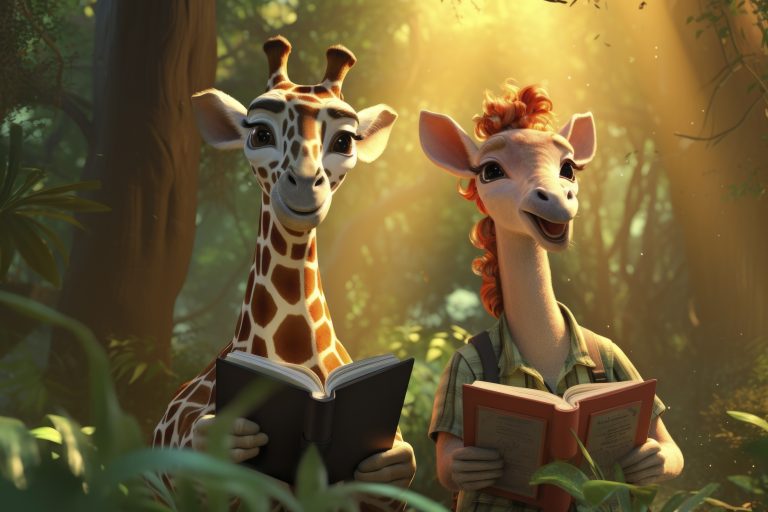
Animals and friendship go together in kids’ books for a reason. Some of the most memorable childhood stories feature two animals who become friends across some sort of difference in size, speed, or personality. A tiny mouse befriends a huge elephant, a small bird strikes up a bond with a large bear, or a slow creature grows close to a fast one. These pairings capture something young readers care deeply about, which is figuring out how to connect with people who are not exactly like them.
Children’s books about animals and friendship do double duty in a home library. They entertain kids with characters they can love, and they quietly teach real lessons about how friendship actually works. The best of them stay with kids for years and shape how they think about their own friendships later in life.
Why Animal Friendship Stories Land So Well
Kids respond to animal characters in a way they do not respond to human ones. There is something about a story with animal friends that opens kids up and lets the lesson slip in through the side door without any resistance.
Distance Makes the Lesson Easier
When a story is about two kids in a classroom, the young reader can feel like the story is aimed directly at them, and that feeling can make them defensive. When the story is about a fox and an owl in a forest, the child can watch the friendship unfold without feeling like anyone is trying to teach them something. The lesson still goes in, but it goes in without any resistance from the child.
Animals Show Feelings Clearly
Animal characters in kids’ books often have faces that show emotions in obvious, exaggerated ways. A sad bear really looks sad, and a happy rabbit really looks happy. Young readers who are still learning to read emotions in real people get lots of practice from these clear animal expressions.
Friendship Between Different Animals Feels Meaningful
Stories where two very different animals become friends carry a message about acceptance without ever spelling it out. A young reader who watches a big bear and a small bird become friends is learning something about looking past surface differences to find real connection with someone new.
What Makes an Animal Friendship Story Really Work
Not every story about two animal friends earns a spot on the shelf. The good ones share a handful of qualities that young readers respond to over and over again.
A Real Reason for the Friendship
The best animal friendship stories give the characters a real reason to become friends in the first place. They help each other with a problem, they notice something the other needs, or they share an experience that brings them close. Friendships that just happen without any spark feel flat, even to a five year old who cannot always explain why they lost interest in a story.
An Honest Look at Friendship Bumps
Real friendships have rough patches, and the best animal stories show this honestly. Two friends who argue and then make up feel more real than two friends who never have a single problem. Kids who read these stories learn that a fight does not have to mean the end of a friendship.
Room for Both Characters to Grow
In a strong friendship story, both animals change a little because of knowing each other. The bear learns something from the bird, and the bird learns something from the bear. This models real friendship for young readers, because it shows that friendship is a two way street rather than a one sided arrangement.
An Ending That Feels Warm
Animal friendship stories should end in a way that feels good to the reader. The friends might sit together in a quiet moment, share a small promise for tomorrow, or simply enjoy each other’s company on the last page. Young readers close the book with a warm feeling that keeps them coming back for another reading.
Themes Young Readers Care About
Animal friendship stories tend to cover certain themes over and over again. These themes hit home with young readers because they match what kids are actually experiencing in their own lives.
Being Different & Still Fitting In
Many animal friendship stories feature two creatures who could not be more different from each other, such as a tiny mouse alongside a huge elephant or a quiet turtle beside a chatty bird. Young readers who feel different from the other kids around them find comfort and validation in these kinds of stories.
Helping a Friend Through Something Hard
Stories where one animal helps another through a scary or sad moment teach young readers what real support actually looks like in practice. The helping animal does not need to fix everything, because sometimes staying close is what matters most.
Sharing & Taking Turns
Friendship at any age involves sharing, and animal stories show this in small, memorable ways. Two squirrels might work out who gets the last nut on the branch, or two birds might figure out who sits on which side of the feeder. These small moments teach big lessons about fairness and generosity.
Missing a Friend When They Are Away
Some of the sweetest animal friendship stories deal with separation between friends. One friend goes away for a while, the other misses them deeply, and when they come back together the reunion feels earned. Young readers learn from these stories that missing someone is a real part of loving them.
How to Read These Stories With Young Readers
The story matters, and the way you read it matters just as much. A few small habits can make an animal friendship story land harder than it would with a flat reading.
Use Different Voices for the Two Friends
A slightly different voice for each animal friend makes the story come alive on the page. The child actually hears the friendship happening between the characters, and the whole experience becomes more fun for both the child and the adult doing the reading.
Pause on the Emotional Pages
When the two friends have a hard moment together or share a sweet one, slow your voice down and let the picture sit for a beat. Give the young reader time to feel the moment along with the characters before turning the page.
Ask What They Think of the Friendship
After the story is over, ask the child what they thought of the two friends without turning the conversation into a lesson. Talk about the characters as if they were people you and the child both met. This kind of light chat cements the story in the child’s memory.
Connect the Story to Real Friendships
If your child has a friend who reminds you of one of the characters, mention the connection gently the next time it comes up. This is how the story moves from the page into your child’s real life and starts doing quiet work in their real friendships.
Building a Small Collection of Animal Friendship Books
You do not need many of these books to build a useful collection. Five or six strong animal friendship books can cover a lot of emotional ground for a young reader.
Pick a few titles that feature very different animal pairs, and then add one about a friendship that goes through a bumpy patch. You should also include one about a quiet, gentle friendship, and round out the collection with a story about two friends who help each other through something hard.
Rotate the books through your regular reading time, and let your child pick which one they want at bedtime. Notice which ones get requested over and over again, because those are the titles doing the deepest work in your child’s mind.
The Long Game With These Stories
Children’s books about animals and friendship do far more than fill a single reading session. They shape how kids think about friendship for years afterward. A young reader who grows up on stories about kindness, sharing, and standing by a friend through hard moments carries those ideas into their own real relationships.
Pick good ones, read them often, and trust the animals to do their quiet work over time. The friendships your child sees on the page today will inform the friendships they build in real life for years to come.