
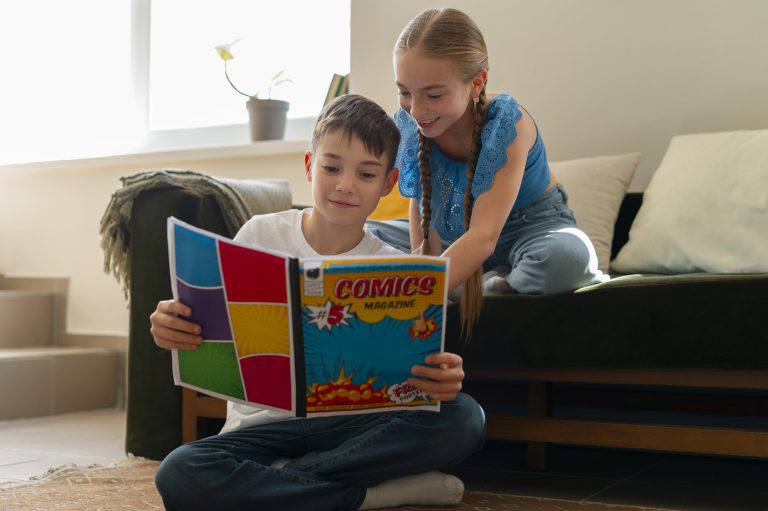
Friendship is one of the biggest subjects in a kid’s life. From the toddler years all the way through elementary school, kids are figuring out how to make friends, how to keep them, how to work through fights, and how to be a good friend themselves. Books help with all of this in a way lectures never could. Children’s books about friendship show kids what friendship looks like, sounds like, and feels like from the inside.
The right friendship story can turn into one of a kid’s favorite books for years to come. Kids come back to these stories because friendship is on their mind constantly, and every reading gives them something new to think about.
Why Friendship Stories Matter So Much to Kids
Friendship is not something kids are born knowing how to do. They learn it through experience, through modeling, and through stories. Books give kids a chance to see friendship played out safely, with no real stakes, so they can absorb the ideas before applying them in the real world.
Books Show What Words Cannot
Telling a kid to be a good friend does not really work as a teaching method. Showing them a character being a good friend, page by page, works much better. Kids pick up on the small choices that add up to a real friendship, such as the tone of a kind voice, the moment of noticing what a friend needs, and the choice to stay close when things get hard.
Books Help Kids Make Sense of Their Own Friendships
A kid who is going through a friendship problem often finds relief in a book about the same kind of problem. Seeing that other kids feel the way they feel makes the experience less lonely. Books normalize the ups and downs of friendship in a way that helps kids handle their own bumps with more confidence.
Books Give Kids Language for Feelings
Friendship comes with all sorts of feelings. Kids feel excitement about a new friend, sadness when a friend moves away, confusion when a friend acts strange, and anger when a friend is unkind. Books give kids words for all of these feelings, which makes the feelings easier to handle when they show up in real life.
What Makes a Friendship Book Really Stick
Some friendship books get read once and forgotten. Others become favorites that get pulled off the shelf hundreds of times. A few qualities separate the two.
Characters Kids Care About
A friendship story lives or dies on its characters. The two friends need to feel like real people, with real personalities, real quirks, and real reasons for being friends. Flat characters do not stick with kids, even in a friendship story where the theme is strong.
A Friendship That Feels Earned
The best friendship stories show the friendship growing over the course of the book. The characters meet, notice something in each other, and slowly become close. Friendships that are already fully formed on page one do not teach kids anything about how friendships actually start.
Real Bumps Along the Way
A friendship story with no problems feels fake to a young reader. Kids know from their own lives that friendships have hard moments. Books that show two friends working through a fight or a misunderstanding do more good than books where everything runs smoothly from start to finish.
An Ending That Feels True
Good friendship stories end with the friendship stronger than it started. The closeness feels real not because everything got tied up in a neat bow, but because the two friends earned their bond through what they went through together.
Themes Friendship Books Handle Well
Certain themes come up over and over in friendship stories. Each one hits home with kids in a different way.
Making a New Friend
Books about a character who meets someone new and slowly becomes friends with them are useful for kids about to start school, join a class, or move to a new neighborhood. These stories show kids that making friends takes time and often starts with a small kind moment.
Being a Loyal Friend
Stories about characters who stand by their friends through hard times teach kids what loyalty looks like in practice. This is a big lesson at any age, and it lands hard when a young reader watches a character stick around when it would have been easier to walk away.
Working Through a Fight
Friendship fights are part of childhood. Books that show two friends arguing, cooling off, and coming back together give kids a script for handling their own fights. They also learn that a single fight does not have to end a friendship.
Missing a Friend
Books about a friend moving away, going on a long trip, or being sick help kids handle the feelings that come with missing someone. These stories give kids permission to feel sad and show them that friendship can survive distance and time apart.
Standing Up for a Friend
Some of the most powerful friendship stories show one character standing up for another when someone is being unkind. This teaches kids that being a good friend sometimes means being brave and speaking up when it would be easier to stay quiet.
How to Read Friendship Books With Kids
The story pulls kids in more deeply when the reading is done well. A few small habits help the message go further.
Read With Real Feeling
Friendship stories are emotional, and your voice should carry that emotion for the reader. You can sound happy on the happy pages and sad on the sad pages. Kids follow your emotional cues and feel the story more deeply because of them.
Pause on the Big Moments
When two friends have a sweet moment or a hard one, slow down on that page. Let the picture sit for a beat, point at the details, and give your kid time to take in what is happening between the characters.
Talk About It After
When the story is over, chat about the friendship in a light way. You can ask which character your kid liked more, or what they would have done in the same situation. Keep the conversation casual and never turn it into a formal lesson.
Connect It to Real Life
If your kid has a friend the story reminds you of, mention the connection in passing. If your kid is going through a friendship situation like the one in the book, bring the book up gently. This is how the story starts doing quiet work outside the reading itself.
Building a Small Friendship Book Collection
You do not need a huge stack of these titles. Six to ten friendship books can cover the main themes for years of reading.
You could include one about making a new friend and one about working through a fight. You might also add one about a long friendship between two very different characters, and one about missing a friend who is gone. Round the collection out with a couple of gentle friendship stories that are just about the everyday sweetness of being close to someone.
Rotate the books through your regular reading time and let your kid pick which one they want at any given moment. Pay attention to which ones get requested over and over, because those are the titles meeting a real need for your kid at that stage of life.
Why This Category Deserves Real Attention
Friendship influences so much of childhood. The kids who learn how to be good friends grow into adults who know how to build strong relationships with the people around them. Books are one of the main ways this learning happens, and the friendship books your kid falls in love with will guide how they treat the people in their life for years to come.
Pick strong ones, read them often, and let the stories do their quiet work in the background. Watch how the ideas show up in your kid’s real friendships over time. That gradual growth is the real payoff of building a shelf of great friendship books that every kid will love.