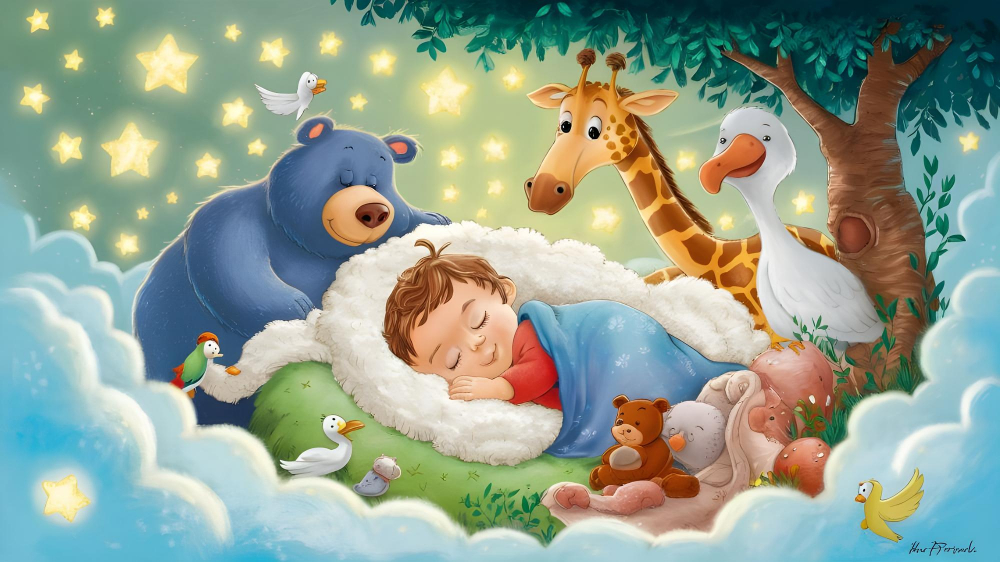
There’s a reason animal characters own the bedtime story shelf. Something about a soft creature curling up for the night makes kids feel sleepy just hearing about it. A bear cub in a den. A little owl going quiet. A rabbit tucked into a burrow. A mama duck settling her ducklings under her wings. These images work on a kid’s brain like a lullaby. They lower the heart rate. They soften the room. They pull the day to a close.
A kids animal bedtime story collection, built with care, does more than just entertain at the end of the day. It creates a nightly ritual that kids come to rely on. It makes bedtime feel safe. And it plants images of calm and comfort that stay with the kid long after they’ve moved on to chapter books.
Why Animals Belong at Bedtime
Animals settle down every night, just like kids do. Books that show this cycle tap into something deep.
The Universal Bedtime Feeling
Animals sleep. Kids know this. Watching an animal character get ready for sleep feels natural and calming.
Warmth & Fur
There’s something cozy about a furry character. Kids visualize the softness. It transfers to how they feel in their own bed.
Small & Safe
Bedtime animal stories often feature small creatures being cared for by bigger ones. A mama bird with her chicks. A big bear with a little cub. Kids place themselves in the small creature’s spot and feel safe.
The Slowing-Down Quality
Animals settling for the night move slowly. The slowness itself calms the kid down.
What Makes an Animal Bedtime Story Work
Not every animal story belongs at bedtime. Here’s what separates the ones that do.
A Sleepy Ending
The character has to end up asleep or nearly there. The kid follows the cue.
Soft, Slow Language
Sentences that flow like a lullaby. No sharp language. No high energy. The words should feel drowsy.
A Small Cast
One or two main characters. Too many characters at bedtime is overwhelming. Keep it simple.
A Cozy Setting
A nest. A burrow. A den. A warm log. The setting should feel like a hug.
Gentle Art
Illustrations with soft colors, warm light, and calm faces. Nothing sharp or busy. The art carries half the mood.
Types of Animal Bedtime Stories to Include
A well-built collection has some variety.
Mother & Baby Animal Stories
Mama and baby settling in together. This is the classic bedtime formula. It taps into feelings of safety and love that help kids sleep.
Nighttime Adventure Stories
Small nighttime journeys that end back home in bed. A moonlit walk. A quiet swim. A slow flight. The character comes home and settles.
Saying Goodnight Stories
Books where the character says goodnight to everything around them. The moon. The trees. The other animals. This structure never gets old.
Nest & Den Stories
Books that focus on the cozy home where the animal sleeps. Building the nest. Fluffing the bed. Getting settled.
Dream Stories
Books where the animal dreams gently of nice things. These give kids soft images to carry into their own dreams.
What to Skip in a Bedtime Collection
Not every animal book belongs at bedtime.
Loud or Silly Animal Books
Save these for daytime. Laughter is great, but not before sleep.
Scary Animal Books
Even mildly scary animals get scarier in a dark room. Skip them.
Fast-Paced Adventures
Chase scenes, escapes, high stakes. All wrong for bedtime. Read them in the afternoon.
Anything With a Cliffhanger
Kids will lie awake wondering. Save these for morning reading.
How to Read Animal Bedtime Stories Well
The book choice matters. The reading matters just as much.
Set the Mood First
Dim the lights. Get the kid tucked in. Read from a spot close to them. The physical setup is part of the story.
Use a Sleepy Voice
Not a performance voice. A soft, low, slow voice. Match the reading to the sleepy tone of the book.
Pause on Quiet Pages
Some pages need a long breath. Let them sit. Kids sink deeper into the mood.
Read Slower Than You Think
Bedtime is not a time to rush. Slow the pace. If you feel almost too slow, you’re probably right.
End With a Small Ritual
Close the book softly. Give a goodnight. Turn off the light. The routine matters as much as the story.
Building a Small Bedtime Collection
You don’t need many. Ten to twelve animal bedtime books is plenty. Keep them in a basket right by the bed. Let the kid pick one or two each night.
Rotate but not too fast. Kids love familiar books at bedtime. The same book three nights in a row is fine. The familiarity is part of the comfort.
Test new books during the day before adding them to the bedtime collection. Make sure they end right. Make sure they feel calm. Not every animal book passes this test, and that’s fine.
When Animal Bedtime Stories Help With Sleep Trouble
Some kids struggle to wind down. A steady animal bedtime story routine can help.
The story becomes the anchor. The kid knows what comes next. The predictability lowers bedtime anxiety, which is real for a lot of kids.
If your kid is having trouble falling asleep, try lengthening the bedtime story window. Read two short animal stories instead of one. Read them slowly. Don’t pressure the kid to fall asleep. The reading itself does the work.
The Long-Term Gift of a Bedtime Ritual
Years from now, your kid won’t remember every animal bedtime story you read. But they’ll remember the feeling. The soft light. The warmth of being close to you. The rhythm of your voice. The image of a small creature settling into a cozy home for the night.
That memory becomes part of how they understand sleep. As something soft. As something safe. As something the day builds toward. That’s a gift no other kind of story quite delivers.
Pick soft. Pick warm. Pick small. Read slowly. Watch the sweet dreams follow, one animal bedtime story at a time.